
How to Avoid Secondhand-Trade Scams — 8 Habits for Buying and Selling Safely
Secondhand trading has now worked its way deep into daily life—from clearing out your closet to preparing for a move and passing down baby goods. The scam tactics targeting it have evolved right alongside. Most damage begins not with some grand hack but with overlooking a "sign you'd have caught with just a little care." Whether you're the seller or the buyer, if you make a few habits second nature before a deal, you can turn most scams away at the door.
Three scam types to know first
Secondhand-trade scams may look varied, but they ultimately boil down to a few big frameworks. Once you know the types, even in an unfamiliar situation you can recognize, "Ah, this is that tactic."
- Take the deposit, then vanish: the most classic method—luring you with a listing noticeably cheaper than market price, then receiving money to an account first and cutting off contact. The pattern of pressing you to pay, saying "someone else is inquiring right now," is typical.
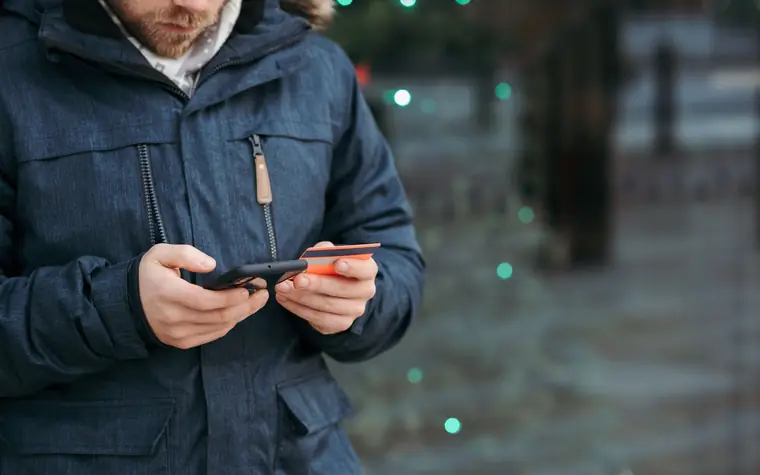
- Fake safe-payment links: a tactic of sending a fake link disguised as the platform's official payment via text or messenger to make you enter your card details or account password, or designed so that when you pay, the money flows to the scammer rather than the seller. We'll cover this again later.
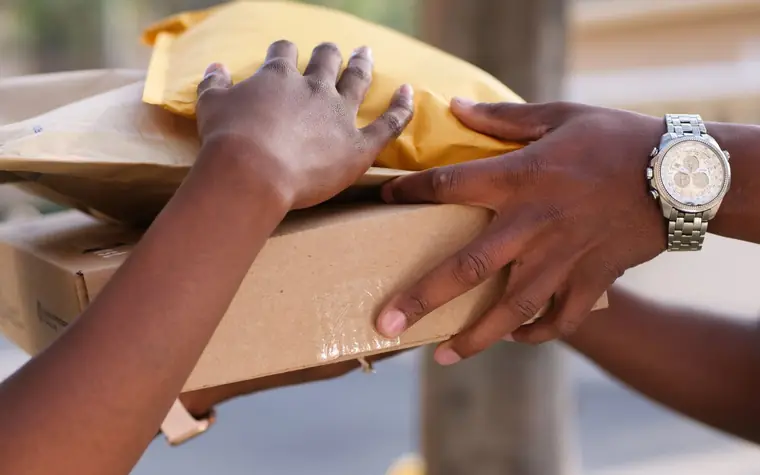
- Non-shipment or bait-and-switch: taking the money and either not sending the item at all, or sending something completely different from the photo—or a brick or a wad of tissue. Even if they give you a tracking number, it may be a fake invoice that actually shows a different address when checked.
The habit of checking your counterpart before a deal
Scammers usually reuse the same account and phone number with many people. That's why checking fraud records is a powerful preventive measure. If you search your counterpart's account number or phone number on a fraud-damage information-sharing service like 'TheCheat (Deochit),' you can check whether there's an already-reported record. If a record turns up, you should stop the deal without another word. That said, 'no record' doesn't mean it's 100% safe, so it's best to think of it as a supplementary tool that also filters out new scams using fresh accounts.
On top of this, also examine records such as the counterpart's trade profile, membership length, other listings, and manner ratings. If an account created not long ago has posted several high-priced, popular items, that warrants caution.
Hints also emerge during contact. If they stubbornly avoid calls and want to talk only by text, or answer vaguely when you ask about the item's condition while repeating only talk of payment, read it as a warning sign. The same goes from the seller's side. Be wary of a buyer who claims they mistakenly sent more than the price and demands a refund of the difference, or who pressures you to send the item before confirmation.
Be suspicious of deals like these
If even one of the following signs appears, step back no matter how good the terms.
- The item is excessively cheap relative to market price and they rush your decision, saying "pay today and I'll knock more off."
- They want to move the conversation off the platform chat to text, a personal messenger, or another app.
- Instead of the official safe payment, they steer you to pay or verify through an unfamiliar link they sent.
- You suggest meeting in person, but they suddenly claim something came up and push everything toward delivery and upfront payment only.
- The same photo circulates across several listings, or they can't send additional real photos when asked.
- The account holder's name is different from the chat handle or the contact's registered name.
Fake safe-payment links are one and the same as smishing
A fake safe-payment link is essentially smishing for secondhand trading. Even if a link that arrives by text looks like an official payment, don't tap it if the domain in the address bar is subtly different from the platform's official one (one letter changed, an odd country domain) or is hidden behind a shortened URL. Open the link and it asks you to enter your card number, account password, or verification code—but a legitimate payment does not demand all such information wholesale through a text link.
The principle is simple: make payments only through the official function inside the platform app, and don't open links received from outside. If you've already tapped a link and entered information, it's the same as dealing with smishing. Immediately contact your card company or bank to stop the payment, and report it to your mobile carrier (dial 118, no area code) and your card company.
Payment and meeting — do it this way to stay safe
If possible, meeting in person is safest. When you meet, choose a crowded, open place with CCTV, such as in front of a subway station, a large mart, or a police station. Some local governments and police also designate safe-trade spots. If you check the item directly and pay on the spot, the risk of upfront payment disappears.
If a delivery deal is unavoidable, use the platform's official safe payment. Because the platform holds the buyer's money and passes it to the seller only after receipt of the item is confirmed, it greatly reduces non-shipment and vanishing damage. Conversely, a demand to send money first by account transfer, cash, or gift certificate is a hard-to-recover method, so be cautious. Requests for micropayments or the PIN of a culture gift certificate are also a classic warning sign.
If you've already been scammed, respond like this
If you've suffered damage, the worst thing is to blame yourself and let time slip by. The initial response determines your chances of recovery.
- Capture and keep as evidence the conversation, account number, deposit record, and the listing screen.
- Contact the call center of the bank you deposited to and ask whether a payment suspension (jigeup-jeongji) is possible. The faster, the better.
- Report to the police. For urgent situations dial 112; cybercrime can be filed through the National Police Agency's cybercrime reporting system (ECRM) or a nearby police station or cyber-investigation unit.
- If smishing or a fake link is involved, also report to your carrier (118) and card company.
Reporting is both the procedure for getting your money back and a way to prevent the next victim down the line via the same account. Registering it on a fraud-record sharing service lets other users filter out the same counterpart.
FAQ
If I only use safe payment, are scams completely gone?
Safe payment is a powerful device that greatly reduces non-shipment and vanishing damage, but because there's a tactic of impersonating it with fake safe-payment links, you must confirm it's the official function within the platform app. The moment you cross over to an external link, the safeguard loses its meaning.
If there's no record on TheCheat, can I trust them?
No record only means 'there's no report yet'—it doesn't guarantee safety. There are also new scams using fresh accounts, so treat a record check as a supplementary tool used together with other verification habits like market price, profile, and whether you meet in person.
It's a small amount, so it feels awkward to go as far as reporting—should I just let it go?
Even for a small amount, we recommend reporting. The same account is often reused with many people, so what's small individually becomes large damage in aggregate. Just leaving evidence and filing with the police helps with tracing and preventing recurrence.
All content is fact-checked under our editorial standards.