
Essential Bike Safety Gear: Priorities for Helmets and Lights and How to Choose
When you buy your first bike, the first worry is "what should I get first?" To cut to the chase, the order matters. Before a fancy cyclocomputer or mirror, what you must equip first is gear that protects you in a crash and the lights required by law at night. This article lays out the priorities in the order essential → recommended → optional, and covers the criteria for actually choosing each item. The tighter your budget, the more buying in this order will leave you without regrets.
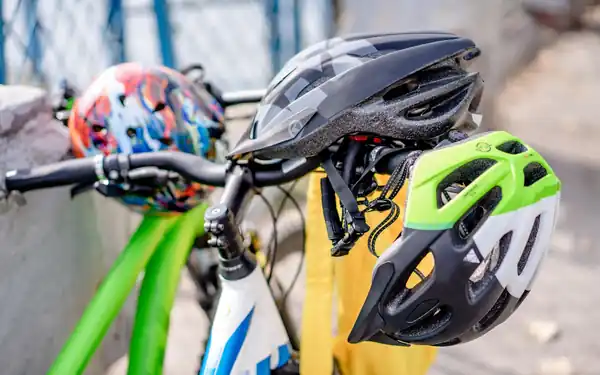
The 3 Essentials You Absolutely Must Have
The first things to open your wallet for are three: a helmet, front and rear lights, and reflectors. These three are not "nice to have" but gear that directly lowers your odds of injury and accident, and some are tied to legal obligations.
- Helmet: A large share of bicycle accident deaths are due to head injuries. Even at a low falling speed, the impact the moment your head hits the ground is great.
- Front and rear lights: These are the core devices that make your position known to drivers and pedestrians at night. The darker it is, the more "being seen" rather than "seeing" determines your safety.
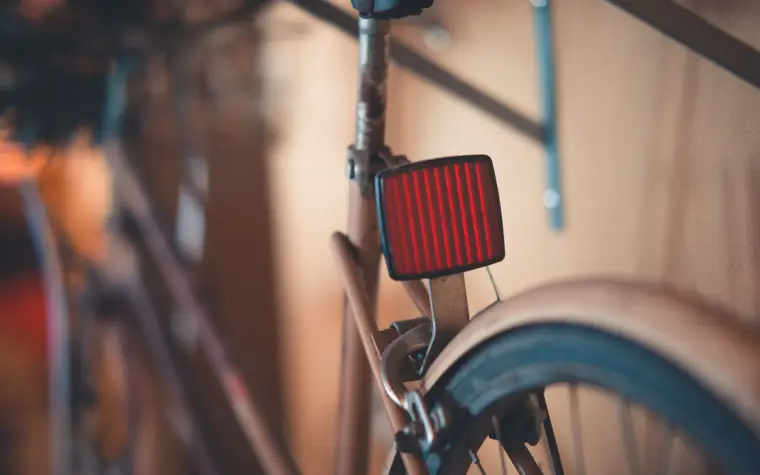
- Reflectors: Even without batteries, they reflect the light of oncoming vehicles to reveal your presence. They serve as a backup safety net to your lights.
How to Choose and Wear a Helmet Properly
A helmet isn't unconditionally safe just because it's expensive — the key is whether it fits your head. When choosing, check the following.
- Check the safety certification: Look for markings showing the product passed an accredited safety standard, such as KC certification. It's hard to trust the shock-absorption of an uncertified, ultra-cheap product.
- Head circumference size: Measure with a tape from the forehead above the eyebrows to the most protruding part of the back of the head, and pick the size matching that circumference. A model with a dial for fine adjustment is convenient.
- Wearing rules: Put the helmet on level, about two fingers above the eyebrows. Tilting it back leaves the forehead unprotected. Tighten the chin strap so only one or two fingers fit between the chin and the strap. It fits right if it doesn't shift when you shake your head.
For reference, Article 50(4) of the Road Traffic Act stipulates that bicycle riders wear personal protective equipment (a helmet). However, there is currently no separate traffic penalty or fine for adult riders not wearing one, so it is effectively closer to a strong recommendation. Regardless of whether it's punishable, once you injure your head it's hard to undo, so it's better to make wearing it a habit. When riding with a child on board, you must have that child wear personal protective equipment.
Night Riding and Lights—Including the Legal Rules
For night riding, lights are safety itself and a legal obligation. Under Article 50(9) of the Road Traffic Act, a bicycle rider must turn on a headlight and taillight, or wear a light-emitting device such as a reflective band, when traveling on the road at night. Violating this incurs a traffic penalty (typically around 10,000 won). In other words, riding without lights at night is not mere carelessness but a legal violation.
Here's how to choose lights.
- Headlight (front, white light): It lights the way ahead while also announcing you to others. In a downtown area with streetlights, 100–200 lumens is fine; on dark riversides or country roads, more brightness than that is advantageous. Shining too strong a beam upward dazzles others, so angle it downward.
- Taillight (rear, red): This is the most important device for announcing your presence to vehicles coming from behind. There are steady-on and flashing modes; flashing stands out well but makes distance hard to judge, so choose by situation.
- Charging and batteries: USB-rechargeable types are easy to manage, and battery types make it easy to keep spares. Secure a run time with ample margin over your riding time.
- Reflectors and reflective bands: As a supplement to lights, attaching them to the front (white), rear (red), pedals, and wheels makes you recognizable from all sides.
Maintenance Gear for Long Distances and Flats
Once you're set on safety, next comes the recommended gear for not getting stranded on the road. Self-maintenance tools are especially important the longer the distance.
- Puncture repair kit and spare tube: Carry a spare tube matching your tire spec (e.g., markings on the sidewall like 700×25c or 26×1.95). A pump or CO2 inflator lets you respond on the spot.
- Portable multi-tool: A product integrating several hex-wrench sizes and a screwdriver handles most things like saddle-height and handlebar adjustments.
- Gloves: They protect your palms when you fall and reduce hand numbness and slipping. A padded model is comfortable for long distances.
- Eyewear (goggles or sunglasses): They protect your eyes from bugs, dust, and wind, and block UV rays. Keeping clear lenses for cloudy days and nighttime on hand makes them more versatile.
- Bell: It's both basic courtesy and a safety device for signaling your approach to pedestrians and other riders.
Choosing an Anti-Theft Lock
The more expensive the bike, the closer a lock comes to essential. Choose a lock by "how long it holds out."
- U-lock: Strong against cutting, so it's advantageous for long outdoor parking. In return, it's heavy and bulky.
- Chain and cable locks: Easy to carry and fasten, but thin cables are weak against cutting, so check the thickness.
- Locking method: The basics are to bind the frame and rear wheel together to a fixed structure. Locking only the front wheel can lose you the whole body.
- Budget: Cheap cables run roughly in the 10,000-won range, while sturdy U-locks range up to the tens of thousands of won. Think of it as investing a certain percentage of the bike's value into the lock.
Besides these, optional gear includes knee and elbow pads (for beginners and downhill), a cyclocomputer or GPS (for logging rides), and a mirror (for checking behind). Equip the essentials and recommended items first, then expand to match your taste and riding style, and you'll be well set.
Frequently Asked Questions (FAQ)
Q. Do adults really have to wear a helmet?
By law, bicycle riders wearing personal protective equipment is stipulated, but there is currently no separate traffic penalty or fine for adults not wearing one. Regardless of punishment, the risk of head injury is great, so wearing one is strongly recommended.
Q. Should I turn on the front and rear lights in daytime too?
The legal lighting obligation is based on "traveling on the road at night." That said, on cloudy days, in tunnels, or in low-visibility sections, keeping the taillight on even in daytime makes you stand out and helps prevent accidents.
Q. If I just have reflectors, can I skip the lights?
When traveling the road at night, the law requires turning on a headlight and taillight or wearing a light-emitting device such as a reflective band. Reflectors only reflect others' light and don't emit their own, so treat them as a supplement and use them together with lights for safety.
Q. If money is tight, what should I buy first?
Make a helmet and front and rear lights your top priority. Adding reflectors and a reflective band completes a minimum safety line. Fill in gloves, a lock, and a repair kit at the next stage.
All content is fact-checked under our editorial standards.