
Seoul-Area Cycling Routes: Han River, Ara Waterway, and Namhan River by Difficulty
From someone buying their first bike to a rider dreaming of a cross-country tour, the Seoul metropolitan area offers wide choices, with well-maintained bike paths densely connected along the rivers. The question is "where and how far can I ride without overdoing it?" This article organizes the representative routes that actually exist — the Han River main stream and its tributaries, the Ara Waterway, and the former Namhan River railway section — by difficulty, approximate distance, access subway stations, and amenities, so you can pick a route today.
Flat Routes Good for First-Timers
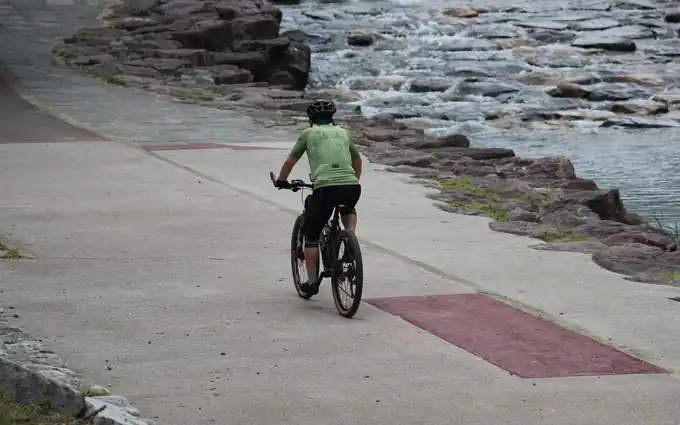
If you're a beginner, the right answer is to start with the Han River bike path main stream, which has almost no slopes or signals. The section linking Yeouido, Banpo, Ttukseom, and Jamsil is mostly flat with a wide surface, so even without picking up speed you can enjoy the river breeze and the downtown skyline. In particular, the round trip from Banpo Han River Park to Yeouido is about 12–15km, passing under Jamsu Bridge and Banpo Bridge along the way, with shade and rest spots appearing frequently.
- Difficulty: Beginner (flat, almost no signals)
- Approximate distance: 6–8km one way, easy round trip
- Access stations: Yeouinaru, Ttukseom Resort, Jamsillaru, and other stations adjacent to Han River parks
- Amenities: Restrooms, convenience stores, snack bars, and water fountains densely spread across each park
Tributary routes are also excellent for beginners. The Anyangcheon, Tancheon, and Jungnangcheon bike paths connect naturally to the Han River main stream while being relatively quiet, making them good for practice. The narrow stream width means little worry about losing your way, and access from nearby subway stations is excellent.
Intermediate Half-Day Riding Routes
Once you've built stamina, you can extend the distance to a half-day route. The Gyeongin Ara Waterway bike path runs about 21km from Jeongseojin (Ara West Sea Lock) in Incheon to the Ara Han River Lock in Gimpo, and with no big climbs it's ideal for riders between beginner and intermediate to gain a sense of accomplishment. Its appeal is the road running straight along the waterway and the West Sea view at Jeongseojin, and a round trip of about 42km makes for a fitting half-day workout.
- Difficulty: Intermediate (flat but with distance)
- Approximate distance: about 21km one way
- Access stations: Enter from the direction of Gyeyang or Geomam stations on the Incheon subway
- Features: Straight, flat, West Sea view; take care on windy days
Routes That Connect to Certification Centers and the Cross-Country Tour
If you've taken a liking to riding, we recommend the Namhan River bike path, which links up with cross-country tour certification. The roughly 27km former Jungang Line railway section running from Paldang toward Yangpyeong was converted from an old railroad, so its grade is gentle, and the highlight is passing through several disused tunnels that stay cool even in summer. There are cross-country certification centers at spots like Neungnae Station and the Yangpyeong County Museum of Art, so the fun of stamping your certification passport is considerable too. For reference, Jeongseojin on the Ara Waterway is also the starting point of the cross-country bike route that runs through the Han River all the way to Busan.
- Difficulty: Intermediate (long distance but gentle grade)
- Access stations: Paldang, Ungilsan, and Yangsu stations on the Gyeongui-Jungang Line
- Features: Former railway, tunnels, riverside views, linked to certification centers
For the former railway section, a popular approach is to fold your bike and travel by train, then ride only one way. Starting at Paldang Station and returning by train from Yangpyeong Station lets you complete a comfortable day route.
Public Bikes and Rental Tips
Even without your own bike, you can enjoy the Han River and tributary routes on public bikes like Seoul's Ttareungi. However, public bikes are optimized for city commuting — heavy and low-geared — so they suit flat routes of around 10km rather than long distances.
- Check the return locations of rental stations in advance and plan your route.
- For long distances like the Ara Waterway or Namhan River, loading a folding bike onto the train or using a personal road bike is more advantageous.
- Set the saddle height so your knee bends slightly when the pedal is at its lowest point, and fatigue will decrease.
Safety, Season, and Time-of-Day Tips
Judging a distance you won't overdo is most important. Beginners should start within a 20km round trip, setting the turnaround point with the sense of keeping half your energy in reserve for the return. In summer, aim for the early morning or around sunset, always bring water and snacks, and rest in the shade every 30–40 minutes.
- The Han River main stream on weekend afternoons is crowded and mixed with pedestrians, so slow down and use your bell.
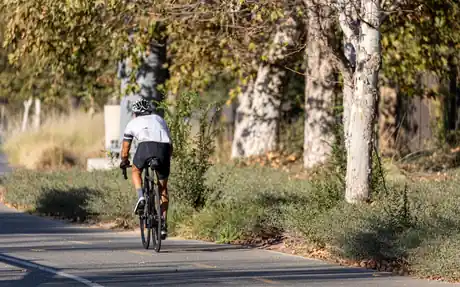
- A helmet and rear light are essential, and especially important in tunnels and around dusk.
- Riverside routes can be slippery after rain, and flood control closures may be in effect.
Because route operating hours, closures, and rental station information change with the season and construction, we recommend checking official channels such as the Han River Business Headquarters and the relevant local governments in advance.
Additional Routes and Gear Worth Knowing
Once you're comfortable with the main routes, broaden your options. In the northeast of the metropolitan area, the Gyeongchun and Bukhan River bike path follows the water toward Daeseong-ri and Cheongpyeong, and its wide river width lets you enjoy open scenery. In Seoul's southwest, Anyangcheon connects smoothly to the Han River main stream, while quiet tributary routes like Wangsukcheon and Gulpocheon are good for family rides or nighttime practice. The more unfamiliar the route, the more it helps to mark rental stations, restrooms, and turnaround points on a map app in advance so you don't lose your way midway.
Whichever route you choose, the pre-departure gear is similar. Just packing the following will let you handle most unexpected situations.
- Water and snacks: Bring at least 500ml of water and snacks to replenish sugar. In summer, double the amount and add a sports drink.
- Basic repair tools: Having a spare tube, a portable pump, and a multi-tool lets you handle a flat calmly and on your own.
- Safety gear and electronics: Bring a helmet, headlight, and taillight even in daytime, and prepare for route guidance and emergency contact with a smartphone and a power bank.
- Light clothing: Sweat-wicking clothes, padded gloves, and sunscreen will noticeably reduce fatigue on long distances.
Frequently Asked Questions
Q. Can I bring my bike on the train?
On some lines, folding or regular bikes are allowed on weekends and holidays, but there are conditions, so check the rules for that line before you use it.
Q. I'm a beginner—where should I start?
I recommend starting with a 10–15km round trip on the Han River main stream or the Anyangcheon or Tancheon tributary routes, which have almost no signals or slopes.
Q. How do I start cross-country certification?
Prepare a certification passport, then continue through the sections while stamping the unmanned stamps at certification centers such as Neungnae Station on the Namhan River and Jeongseojin on the Ara Waterway.
Q. How much per day is appropriate?
20–30km is comfortable for beginners and 40–60km for intermediate riders; adjust the turnaround point flexibly based on your fitness and the weather.
All content is fact-checked under our editorial standards.