
Getting Through Seasonal Changes in Good Health — Everyday Habits to Prevent Colds
When the seasons turn—cool in the mornings and evenings but warm at midday—many people find their throats unusually scratchy and their noses running. Even if it is nothing serious, going several days without feeling quite right tends to throw off the rhythm of daily life. Fortunately, the minor ailments that come with a change of season can be reduced considerably just by consistently following a few basic everyday habits. This article gathers seasonal health tips you can start practicing today, without any special equipment or expense.
Why your condition tends to dip during seasonal transitions
During seasonal transitions, temperatures can swing widely within a single day and the air tends to grow dry. As your body works to maintain its temperature against a large day-to-night gap, it tires easily, and dry air parches the mucous membranes of the nose and throat, weakening their defenses against outside irritants. On top of that, moving in and out of buildings with clothing that no longer suits the temperature makes it harder to regulate body heat, and spending long stretches indoors with poor ventilation adds to the problem. In other words, the minor ailments of the changing seasons are less the result of any single cause than the combined effect of temperature swings, dryness, and a disrupted daily rhythm. That is why managing them works best not through one single measure, but by tending evenly to several habits.
Also, when the seasons change, outdoor activity tends to decline and people spend more time gathered indoors, which increases person-to-person contact. When these environmental changes pile up as well, minor ailments can feel more frequent than usual. Put the other way around, it means that even small, deliberate adjustments to your clothing, indoor environment, and daily rhythm can help your body adapt to the seasonal shift. It does not call for any especially difficult method; the key is simply to attend a little more carefully to familiar basics, tuned to the season.
The most basic essentials: hand hygiene and ventilation
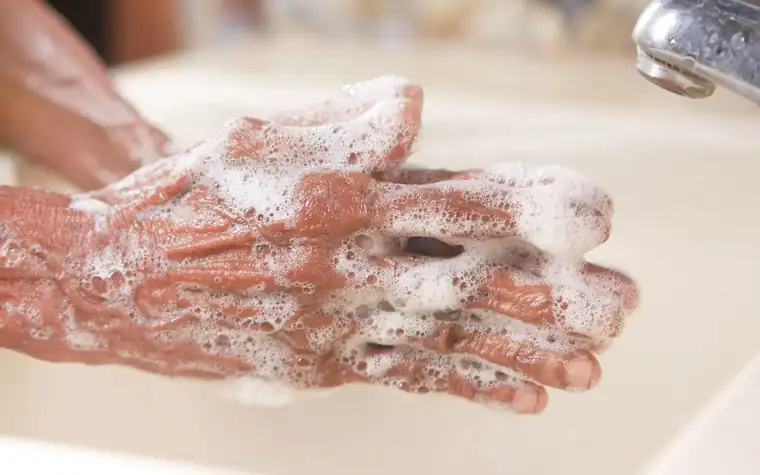
One of the common routes by which infection spreads is the hands. After touching various objects, absent-mindedly touching your eyes, nose, or mouth can transfer irritants, so it is important to build the habit of washing thoroughly with soap under running water for about 30 seconds after going out, before meals, and after coughing or sneezing. The key is to scrub the spaces between the fingers, under the nails, and the backs of the hands without missing any spots, then dry them well.
Managing indoor air is just as important. In spaces where people stay for long periods, it helps to open the windows a few times a day—even briefly—to exchange the air. Keeping the following points in mind can help.
- When you cough or sneeze, cover your mouth and nose with a tissue or the inside of your sleeve.
- In crowded, enclosed spaces, pay extra attention to hygiene, and when you are not feeling well, avoid going out unnecessarily.
- Where possible, it is best to use personal items such as towels and cups separately.
Protecting your mucous membranes with indoor humidity and warmth
Dry indoor air easily parches the mucous membranes of the nose and throat. Keeping indoor humidity at a moderate level—without overdoing it—keeps those membranes moist and feels much more comfortable. If you use a humidifier, change the water and clean the interior frequently so it does not itself become a source of contamination, and hanging damp laundry or combining this with ventilation are other options. If humidity gets too high, mold can grow, so adjust it so it is not excessive.
For warmth, rather than relying on a single outer garment, it is more effective to wear several thin layers you can take off or put on as the situation demands. On days with a large temperature swing, carrying a scarf to wrap around your neck or a light jacket helps you cope with the morning and evening chill. Covering areas that are exposed and lose heat easily—such as the neck, wrists, and ankles—makes you feel much warmer. That said, bundling up so much that you sweat can actually cool you down and rob you of body heat as the sweat evaporates, so a sense for adjusting on the spot according to your activity level and the indoor temperature is important.

Lifestyle habits that support your body's defenses
If hand hygiene and managing your environment are about reducing external factors, then adequate rest and a balanced diet are about supporting your body's own ability to maintain its condition. Try to keep up the following habits consistently.
- Adequate sleep — Keep regular bedtimes and wake times, and make sure you are not short on sleep. When fatigue builds up, your condition easily falters.
- Staying hydrated — Drink water in frequent small sips so your throat does not become dry. Warm water or tea is fine too.
- A well-rounded diet — Rather than relying on any single food, a balanced diet that includes vegetables, fruit, and protein in good proportion forms the foundation.
- Moderate activity — Moving your body regularly, within reason, helps you maintain your daily rhythm.
These habits are less a matter of any one being a miracle cure than of supporting one another when kept together. Rather than straining for perfection, it lasts longer to steadily keep up what you can. In particular, if you repeatedly fall short on sleep or skip meals, your condition can easily waver no matter how diligently you attend to everything else, so it is good to prioritize first stabilizing basic rhythms such as sleep and meals.
Common misconceptions
"If you're out in the cold, you'll definitely catch a cold." — The cold itself does not create illness. That said, large temperature swings and dryness can wear the body down and parch the mucous membranes, lowering your condition, so warmth and humidity management do help.
"Sweat it all out and you'll get better faster." — There is no clear evidence that forcing yourself to sweat speeds recovery. If anything, overexerting yourself can deplete your fluids and tire you out more, so it is better to rest well and stay hydrated.
"If you have hand sanitizer, there's no need to wash your hands." — When your hands are visibly dirty, or when water and soap are available, washing under running water is the default. It is best to think of sanitizer as a backup for situations where washing is difficult.
Frequently asked questions
Do I have to take vitamin supplements during seasonal transitions?
Supplements do not replace a balanced diet. Eating well-rounded meals that include vegetables and fruit is the foundation, and whether or not you need supplements depends on your individual eating habits and health status, so if you feel you need them, it is best to decide after consulting a professional.
What can I do at home when my throat feels scratchy?
Keeping indoor humidity at a moderate level, drinking water in frequent small sips, and getting plenty of rest can help. That said, if symptoms worsen or do not improve after several days, it is safer to see a doctor rather than relying on self-care alone.
When is a good time to wear a mask?
A mask can help when you are in a crowded, enclosed space, when you have symptoms such as coughing or sneezing, or in situations where you want to avoid spreading illness to those around you. Judge according to the situation and your own circumstances, and for detailed matters related to infection prevention, please refer to the current guidance from official agencies such as the Korea Disease Control and Prevention Agency (KDCA).

This article provides general health information and is not a substitute for medical diagnosis or treatment. If symptoms such as fever are severe or persistent, please seek medical care.
All content is fact-checked under our editorial standards.