
The Golden Tteokbokki Recipe: Perfect 2-Serving Sauce Ratios and Foolproof Cooking
The reason homemade tteokbokki doesn't taste like the street-stall version usually comes down to two things: the "sauce ratio" and the "cooking order." To cut to the chase, for 2 servings the golden ratio with the lowest failure rate is 500ml water, 1.5 tbsp gochujang, 1.5 tbsp gochugaru (red pepper powder), 2 tbsp sugar, 1 tbsp jin-ganjang (dark soy sauce), 1 tbsp mullyeot (corn syrup), and 0.5 tbsp minced garlic. This article uses these measurements exactly and lays out the reference values that actually taste good — covering the choice between wheat and rice cakes, broth thickness, fixes for common failures, and rose, soupy, and oily tteokbokki variations.
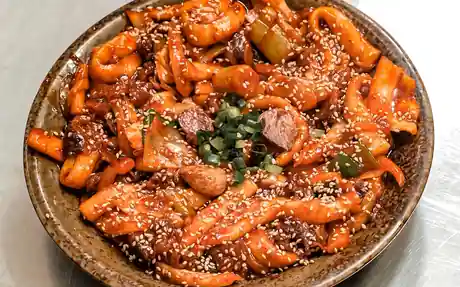
The Golden Sauce Ratio for 2 Servings (Based on 500ml Water)
One tablespoon of a measuring spoon is about 15ml. The ratio below sets the sugar and soy sauce so that it tastes savory even without anchovy-kelp broth, and it's a basic form that's easy to adjust for sweetness and spiciness to taste.
- Water or anchovy-kelp broth: 500ml
- Gochujang (red chili paste): 1.5 tbsp (1 tbsp if it's the thick, traditional style)
- Gochugaru (red pepper powder): 1.5 tbsp (handles color and a sharp kick)
- Sugar: 2 tbsp (the key to that signature snack-stall sweetness)
- Jin-ganjang (dark soy sauce): 1 tbsp
- Mullyeot (corn syrup) or oligosaccharide syrup: 1 tbsp (gloss and thickness)
- Minced garlic: 0.5 tbsp
- Rice cakes (tteok): about 350–400g
- Fish cake (eomuk): 3 square sheets (or 60–70g)
- Green onion (daepa): 1/2 stalk (for finishing)
The key here is matching gochujang and gochugaru at 1:1. If you add only a lot of gochujang, it turns heavy and the paste flavor overpowers, and the clean spiciness and red color that gochugaru provides won't come through. Even if 2 tbsp of sugar looks like a lot, it's the amount that balances the spiciness, so it's better to add it as is at first and adjust at the end.
Wheat Cakes vs. Rice Cakes: Choosing and Prepping (Soaking)
The two aim for different things. Wheat cakes are thin, spread easily, absorb sauce quickly, and are soft — closer to the snack-stall style. Rice cakes have a chewy, springy texture that lasts longer but soak up less sauce. Choose wheat cakes if you want to enjoy a generous broth, and rice cakes if you want a chewy bite.
Refrigerated or frozen cakes are hard, so soak them in lukewarm water for 10–20 minutes before using. Soaking cooks them evenly through and shortens the cooking time, so they're done before the sauce boils down and sticks. If you're short on time, even rinsing them in cold water for just 5 minutes to wash off the surface starch greatly reduces sticking. Frozen cakes should be fully thawed before adding, so the broth temperature doesn't drop.
Cooking Order and Timing
Just following the order sharply raises the quality.
- Make the broth: Add anchovies and kelp to 500ml water, steep over medium heat for 5 minutes, then remove them. If you skip this, you can start with plain water.
- Dissolve the sauce: With the heat off or on low, add the gochujang, gochugaru, sugar, soy sauce, syrup, and garlic and dissolve completely so there are no lumps.
- Add the cakes and fish cake: Once the sauce is dissolved, add the rice cakes and fish cake and boil over medium-high heat. Stir occasionally so nothing sticks to the bottom.
- Reduce: Once it starts boiling, reduce for 8–10 minutes until the broth reaches the thickness you want. The cakes are done when they turn translucent and soft.
- Finish with green onion: Right before turning off the heat, add the green onion and let it wilt for just 30 seconds. Adding the onion from the start lets the aroma escape.

Adjusting Broth Thickness and Fixing Common Failures
Tteokbokki broth is thickened by the starch released from the cakes. If it's too thin, reduce it a bit more; if it's too thick, adjust by adding water 50ml at a time. Since the broth thickens further as it cools after cooking, it's best to leave it slightly loose when you turn off the heat.
Here are the common failures sorted by cause.
- The cakes turned hard: This happens when you reduced too long with too little water, or the starch set as it cooled. Pour in a little water or broth and reheat, and most of it will loosen up. Soaking from the start prevents it.
- Too spicy: Add 0.5 tbsp of sugar or syrup, or add 50ml of water and more fish cake to mellow the heat. A small amount of milk or cream also works.
- Too sweet: Balance it with 0.5 tbsp of gochugaru and a few drops of soy sauce. Adding more water and reducing lowers the sweetness concentration.
- Only paste flavor, no savoriness: Cut back the gochujang and use broth, or add fish cake and green onion to reinforce the savory depth.
Handy Variation Recipes
Once you've mastered the basic sauce, the variations are simple.
- Rose tteokbokki: From the basic sauce, reduce the gochugaru to 1 tbsp, add 200ml milk and 100ml heavy cream, then reduce. It's mild and less spicy, so kids can eat it too.
- Soupy tteokbokki: Increase the water to 700ml and reduce the sugar to 1.5 tbsp, cooking it brothy. Wheat cakes and jjolmyeon noodles pair well.
- Oily tteokbokki (gireum tteokbokki): Instead of water, coat a pan with oil, stir-fry the cakes, then add gochugaru, soy sauce, and sugar and cook it down — a broth-free style that's chewy to eat.
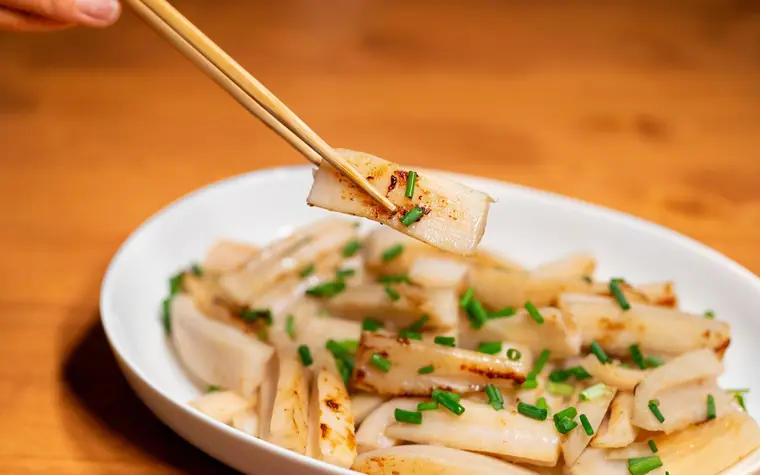
Add-Ins and Toppings That Take the Flavor Up a Notch
Once basic tteokbokki feels familiar, you can add layers of flavor with extra ingredients. As long as you follow the timing for adding them, you won't fail.
- Fish cake and fish cake broth: Fish cake is the core of the savory flavor, so add it generously. Using store-bought fish cake soup broth in place of stock gives deep flavor easily.
- Instant noodles (ramyeon): Add them when the broth is generous and boil for just 3 minutes to make rabokki. The noodles soak up the broth, so add 100ml more water.
- Boiled eggs: Cooking them together from the start lets the sauce soak in for better flavor. Peel and add them whole, or halve them and place on top.
- Cheese: Right after turning off the heat, place mozzarella on top and cover with a lid to melt it with residual heat. It softly tames the spiciness.
- Vegetables: Cabbage and onion add sweetness, while green onion and perilla leaves bring aroma. Add cabbage midway and perilla leaves at the end so they don't go soggy.
The more toppings you add, the more the broth increases and the seasoning can turn bland, so top up the sauce by 0.5 tbsp for each added ingredient and taste as you go. If you're eating with children, halving the gochugaru and finishing with cheese and boiled eggs can greatly reduce the spice burden.
Frequently Asked Questions (FAQ)
The cakes keep sticking to each other. This is when you didn't soak them or wash off the surface starch. Soak them in lukewarm water before use and stir occasionally while boiling, and it's solved.
Do I have to make broth? No. Even with plain water, the sugar and soy sauce provide savoriness. That said, using anchovy-kelp broth definitely improves the depth of the broth.
Can I use only syrup instead of sugar? You can, but syrup is mainly for gloss, so its sweetness is weak. For a balanced flavor, it's better to let sugar handle the sweetness and syrup handle the thickness and gloss.
How do I reheat leftover tteokbokki? Since the broth has reduced, pour in a little water or broth and reheat over low heat while stirring, and it comes back close to its original texture.
Tteokbokki is high in sodium and spice, so if the intensity is too much, it's better to cut back on the broth and serve it with vegetables. Just follow the ratios and order laid out today, and you can reliably turn out tteokbokki at home that's every bit as good as the snack stall's.
All content is fact-checked under our editorial standards.