
How to Sleep Well — Daily Habits That Improve Sleep Quality
Waking up in the morning without feeling refreshed, and then feeling wide awake at night — this is a familiar experience for almost everyone. Sleep is not simply a matter of closing your eyes and letting time pass; it is the result of your daily rhythm and the habits you keep throughout the day. Even without special tools or expense, refining small everyday habits can change how you fall asleep and how you feel when you wake. This article summarizes the general lifestyle habits that support sleep quality — commonly called "sleep hygiene."

First, Understanding Sleep and Your Body's Rhythm
Our bodies have a biological rhythm that repeats on roughly a daily cycle. This rhythm is tuned using cues such as light and darkness and the timing of meals and activity. So when the times you fall asleep and wake up vary wildly from day to day, your body becomes confused about when to rest and when to stay awake. Conversely, when the rhythm is stable, falling asleep becomes far more natural.
The key is "regularity." If you sleep in and get up much later than usual just because it's the weekend, you're likely to feel a kind of jet lag again on Monday morning. Keeping your wake-up time consistent — even more than your bedtime — helps establish the rhythm. Even on days when you didn't get enough sleep, it's less disruptive to the rhythm to go to bed a little earlier that night than to push your wake-up time much later the next day.
One more thing to remember is that sleep does not arrive the instant you decide it should. In many cases, the harder you try to force yourself to sleep, the more tension builds. So rather than aiming to "sleep well," a far more realistic approach is to consistently, day after day, create the conditions and flow that make it easy to fall asleep.
The Night's Sleep Is Made During the Day
Good sleep is actually prepared not at night but starting in the daytime. Getting plenty of natural light in the morning gives your body the signal that "now is the time to be active," and this leads naturally to a winding-down flow toward evening. Simply opening the curtains and standing by the window for a moment, or adding a morning walk, can help.
- Managing caffeine: Caffeine stays in the body for different lengths of time from person to person. Coffee, tea, or energy drinks consumed in the late afternoon can affect your night's sleep, so it's good to cut back during the evening hours.
- Keep naps short: If you need a nap, a short one in the early afternoon is less disruptive to night sleep. A long nap in the late afternoon easily throws off your night rhythm.
- Exercise timing: Regular physical activity helps your overall condition, but intense exercise right before bed can arouse the body and actually interfere with sleep. Try scheduling it during the day or early evening.

Tuning Your Bedroom Environment for Sleep
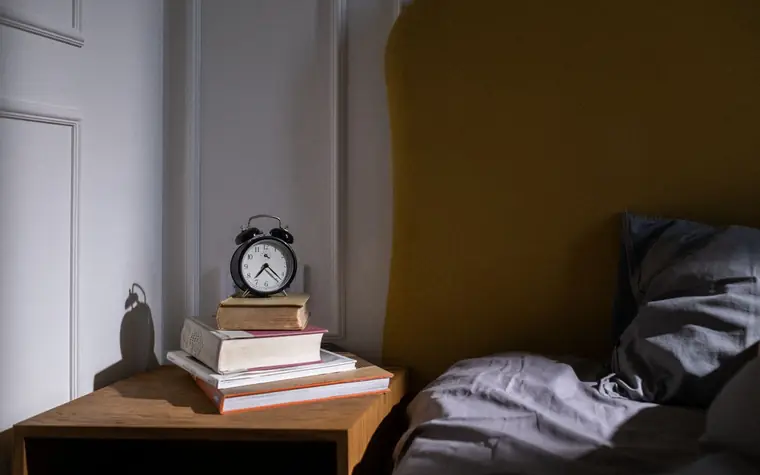
The clearer the signal that your bed is a "place to rest," the better. Arrange the environment so that your body relaxes the moment you enter that space.
- Keep it dark: Light is an arousal signal. Use blackout curtains or dimmable lighting to keep the room dark, and using soft light rather than bright light before bed helps you prepare for sleep.
- Keep it quiet: Sudden noise produces shallow sleep. If there are sounds that bother you, you can soften them with gentle white noise or earplugs.
- Keep it cool: A slightly cool temperature generally feels comfortable for falling asleep. Adjust your bedding and room temperature with the season and personal differences in mind.
In particular, using a smartphone or tablet right before bed is worth reconsidering. The bright light of the screen and the endless stream of information easily keep the brain awake. For a set period before going to bed, it's better to move away from screens and instead, with the lights dimmed, give your body the signal to relax through light reading or stretching.
Dinner and Drinks, and Their Relationship with Sleep
Your evening eating and drinking habits also affect your night's sleep. Overeating right before bed easily leaves you feeling bloated and disturbs comfortable sleep, while being too hungry can likewise make bedtime uncomfortable. It's generally best to finish dinner in moderation a few hours before you go to bed.
The amount of water you drink before bed is also worth watching. Taking in too much fluid can lead to waking more often during the night. In addition to the caffeine mentioned earlier, stimulating late-night snacks or excessive sugar can also arouse the body, so it's good to keep the evening light and mild. That said, this is only a matter of general lifestyle habits and may differ depending on individual circumstances and physical condition.
Creating Your Own Signal for Going to Bed
A bedtime routine repeated in a similar order each day becomes an advance notice to your body that "it will soon be time to sleep." Choose a few things that suit you — washing with lukewarm water, dimming the lights, slow breathing, a short stretch — and repeat them in order. If you lie down but sleep doesn't come for a long time and you keep tossing and turning, rather than lying there growing anxious, it can help to get up briefly, do something quiet and relaxing, and lie down again when drowsiness comes.
Common Misconceptions
"You can make up for lost sleep by sleeping a lot on the weekend." There may be a brief sense of recovery, but a pattern of sleeping in and waking up much later actually disrupts your biological rhythm and tends to make the mornings of the following week harder. Waking up regularly is a more reliable approach.
"A drink helps when you can't sleep." Alcohol may feel like it helps you fall asleep, but it tends to make the latter half of the night's sleep shallow and prone to frequent waking, which can actually reduce how refreshed you feel.
"Everyone must sleep eight hours a day." The amount of sleep needed varies from person to person and from time to time. Rather than being bound to a number, it's more realistic to check whether you can maintain your condition without excessive drowsiness during the day.
Frequently Asked Questions
What should I do if sleep doesn't come right away after lying down?
It takes everyone some amount of time to fall asleep. The harder you try to force it, the more tension can build, so if you toss and turn for a long time, you can try getting up briefly, doing something quiet with the lights dimmed, and lying down again when you feel drowsy. The habit of repeatedly checking the clock builds anxiety, so it's best avoided.
Do I really have to stay away from my smartphone before bed?
It isn't a rule you must absolutely follow, but the bright light of the screen and stimulating content can keep the brain awake. Even just for a set period before sleep, reducing screen time and dimming the lights makes it much easier for your body to shift into a resting flow.
Is it okay to take naps?
A short nap when you're tired can help your afternoon condition. However, a long nap in the late afternoon easily interferes with night sleep, so if you need one, a short nap in the early afternoon is good for protecting your night rhythm.
This article is general health information and does not replace medical diagnosis or treatment. If sleep problems persist, consult a physician.
All content is fact-checked under our editorial standards.