
How to Cut Your Electricity and Gas Bills and Apply for Energy Cashback
Plenty of people sigh as they look at the electricity and gas bills that arrive each month. Yet if you understand how the charges are structured and change just a few habits, you can noticeably lighten the burden. Add in programs that let you get money back, such as the energy cashback run by Korea Electric Power Corporation (KEPCO), and the savings multiply. This article lays out, in order, the basic concepts of the billing structure, practical saving habits, and incentive programs worth applying for.
Why Does the Unit Price Rise the More You Use? The Concept of Progressive Rates
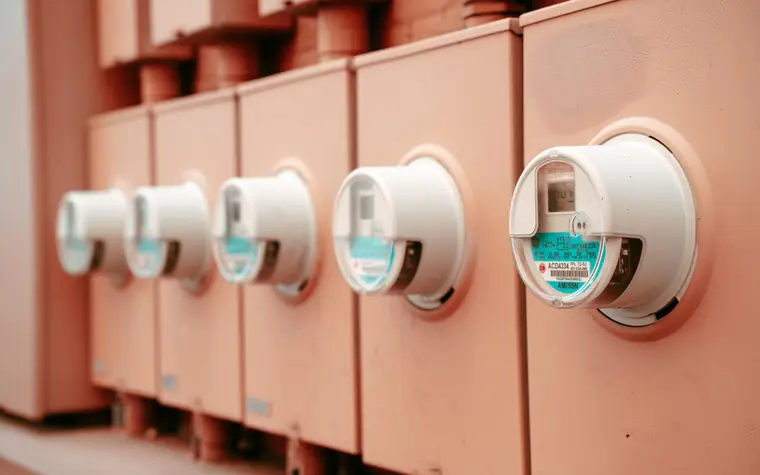
Residential electricity charges apply a progressive rate system. Under progressive rates, the more electricity you use, the higher your usage tier climbs and the higher the per-kWh unit price becomes. Put simply, electricity used in the earlier tier is billed at a cheap unit price, and electricity that crosses a threshold into the next tier is billed at a more expensive unit price. That is why, when summer cooling doubles your usage from the norm, the bill can jump not by double but by more.
The key is to manage your usage so you don't cross a tier boundary. If your usage is just about to spill into the next tier, saving even a little can greatly suppress the bill increase. Because the specific tier thresholds, unit prices, and seasonal application methods can be adjusted every year, it is accurate to confirm them through KEPCO's official guidance.
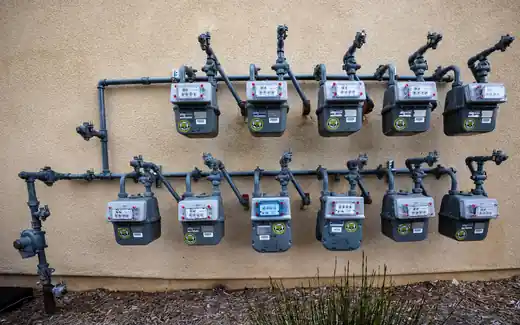
Gas charges are supplied by city gas companies on a regional basis, and the burden grows in winter when heating and hot water use is concentrated. City gas charges are divided into a base charge and a usage-based charge, and can be adjusted based on various factors such as raw material costs. Because the application method differs by region and season, it is advisable to verify the city gas rate structure and seasonal rates through your city gas company and official notices.
Once you understand the billing structure, the way you read the bill changes. By pinpointing why your usage rose compared with the previous month or the same month last year, you can diagnose for yourself where energy is leaking. Not stopping at a vague "it came out high" but making a habit of examining it item by item is the starting point of saving.
Plug the Leaks First: Practical Saving Habits
Saving starts not with grand equipment replacements but with small everyday habits. It is especially effective to catch the waste that drains away unseen.
- Cutting standby power: Set-top boxes, microwaves, chargers and the like consume electricity even when off. Cutting the power when not in use with a power-strip switch or an energy-saving outlet reduces waste.
- Managing heating and cooling temperatures: Setting summer cooling a little higher and winter heating a little lower while layering thin clothing is efficient. Simply cleaning the filter also improves an air conditioner's efficiency.
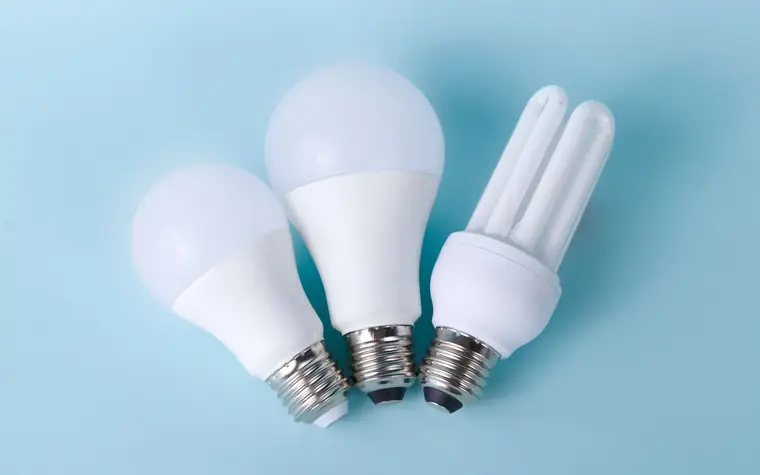
- Switching lighting: Replacing incandescent bulbs or old fluorescent lights with LEDs gives the same brightness at lower power consumption. It's best to start with the spaces you light most often.
- Hot water and heating habits: Rather than shutting the boiler off completely when going out, use the away mode, and close the valves in rooms you're not using to reduce heat loss.
- Reinforcing insulation: A considerable amount of heat escapes through window gaps in winter. Weather stripping, insulation film, or thick curtains alone can raise heating efficiency.
- Batching laundry and drying: Running the washing machine only once you've gathered a decent load and using cold-water washing saves the energy spent heating water.
Each of these habits may look small on its own, but accumulated over a month or a year they make a difference you can feel. Setting rules the whole family practices together magnifies the effect. It is especially good to focus your attention during summer and winter, when usage spikes.
Apply and Get Money Back: Energy Cashback and Saving Incentives
KEPCO runs an energy cashback program that returns a set amount to households that reduce their residential electricity usage below their past levels. After you apply, if you cut your usage compared with before, you receive cashback according to the amount saved. Because the eligible participants, application method, savings criteria, payout unit price, and conditions can vary by period, you must confirm through KEPCO's official channels and then apply.
Separately from this, there are also welfare discounts and energy voucher types of support for energy-vulnerable groups. If you fall into a category such as basic livelihood recipients, people with disabilities, or multi-child households, there are programs that provide electricity and gas bill discounts or voucher support. Because the eligibility requirements and form of support differ by household situation, please verify whether you qualify and the application procedure through the official guidance of KEPCO, the city gas company, and the responsible agency.
If you plan to buy new home appliances, choosing high-efficiency devices is also a long-term saving. Products with a high energy-efficiency rating may cost a bit more up front but lower your electricity bill burden over their period of use. The longer-used, higher-power products such as refrigerators, air conditioners, and washing machines are the ones where it pays to scrutinize the rating carefully. In addition, policies that subsidize high-efficiency appliance purchases are sometimes run at certain times, so if you plan to replace a major appliance, it is a good idea to look over the relevant official guidance in advance to see whether there is support you can use.
Common Misconceptions
"Turning the air conditioner on and off saves more" — If you're only away briefly, leaving it running may be better, because a great deal of power is used when the outdoor unit restarts. For a long outing, though, turning it off is correct.
"Just leaving something plugged in doesn't draw electricity" — Standby power really does occur. The difference varies greatly by product, but the habit of cutting power to devices you're not using is a clear saving.
"Discount programs apply automatically" — Welfare discounts and cashback mostly require you to apply directly to be applied. Even if you're eligible, you may miss the benefit if you don't apply.
Frequently Asked Questions (FAQ)
Can anyone apply for energy cashback?
It targets households using residential electricity, but the detailed participation conditions and application periods can vary by operating policy. It is accurate to confirm the latest eligibility criteria and procedure in KEPCO's official guidance.
How do I check my usage to avoid crossing a progressive tier?
You can check near-real-time usage through KEPCO's online and mobile lookup services. Reviewing your usage mid-month helps with managing the tier boundaries. Refer to official materials for the specific tier thresholds.
Can I receive an energy voucher and a bill discount at the same time?
Whether programs can be combined and under what conditions differs by program. Whether you qualify for multiple programs and can receive them together is best confirmed through the responsible agency and official verification from KEPCO and the city gas company.
All content is fact-checked under our editorial standards.