
5 Youth Support Programs You Might Be Missing in 2026 — Check Before You Apply
There are more government and local-government support programs for young people than you might think, yet many go unclaimed simply because people don't know about them. Each program has a different responsible ministry and application channel, and the names change frequently. So rather than trying to memorize the exact amounts or eligibility figures of individual programs, it's far more practical to first understand the broad categories—"what types of support exist". Once you know the categories, even when a new program is announced you can quickly judge, "Ah, this belongs to the savings-support family," and claim it. This article organizes the five categories that young people and those new to the workforce most often miss, along with what to check before applying and answers to frequently asked questions. Specific amounts, income thresholds, and age limits vary by locality and year and change often, so after understanding the categories, always confirm the latest details through official channels.

1. Savings support that helps you build assets
This category includes asset-building products in which the government adds an extra amount when young people below a certain income save each month. Savings- and installment-type asset-building support for young people is the representative type; it is generally structured so that a government contribution or interest benefit is layered on top, on the condition that you make steady deposits yourself.
The typical application flow follows this order: check whether you're eligible to enroll, open an account at a participating bank or designated channel, make monthly deposits by automatic transfer, and maintain the account until maturity before receiving the payout.
The reason it's easy to miss is that, because income or enrollment-period conditions apply, many people give up in advance, assuming "I probably won't qualify." Also, since maintaining the account until maturity is usually a condition, you should know in advance that canceling midway can reduce or wipe out the benefit. Be sure to confirm before applying whether you're eligible and what the maintenance conditions are.
2. Support that eases housing costs
This category is support for young people burdened by monthly rent and deposits. Types such as monthly-rent support, youth jeonse (lump-sum lease deposit) loans, and lease-deposit support are generally run by each local government, mixing cash-type support and low-interest loans.
The typical application flow runs from confirming eligibility such as residency requirements and non-homeowner status, to applying online or at a community service center (jumin center), to submitting the lease contract and income documents, to receiving payment or loan disbursement after review.
The reason it's easy to miss is that this type in particular varies greatly in conditions and scale from region to region. Even for the same young person, the support available can be completely different depending on the city, county, or district (si/gun/gu) where they live. If you've recently moved out on your own, be sure to check the youth-policy section on your local si/gun/gu office website, and also confirm whether there are requirements about your move-in date or contract period.
3. Job-seeking and employment support
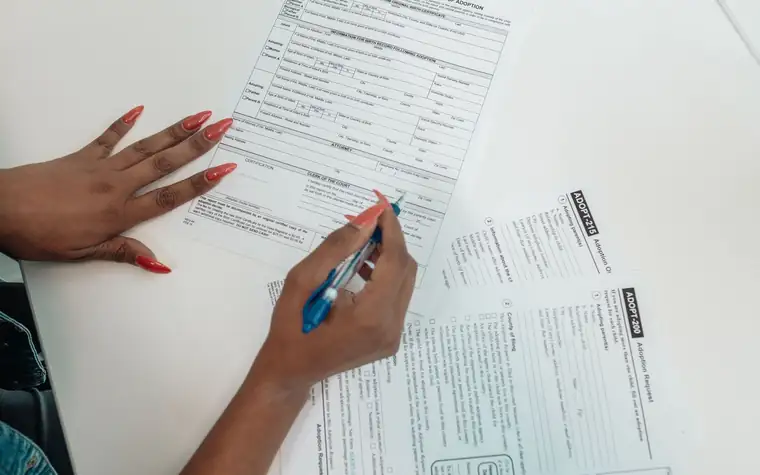
For young people looking for work, there are programs such as the National Employment Support Scheme (Gungmin Chwieop Jiwon Jedo) that provide both job-search cost support and employment support services together. What characterizes this category is that it isn't simply a cash handout—counseling, vocational training, and job matching are bundled into one—so it's highly useful during the job-preparation stage.
The typical application flow generally proceeds from applying online, to eligibility review, to employment counseling and drawing up an activity plan, to carrying out job-search activities according to the plan.
The reason it's easy to miss is that many people put it off, thinking "I haven't found a job yet, so I'll do it later," and miss the application window, or they look only at the cash support and pass by, failing to use the greater value of the counseling and training links. Since the support types and detailed conditions are divided by target group, confirm them through the official guidance.
4. Education and self-development cost support
This category includes programs that help with the costs of language study, certifications, and job-skills training. A representative example is the Naeil Baeum Card (Tomorrow Learning Card), which supports vocational training costs, and there are also local-government projects that cover part of young people's tuition or exam fees.
The typical application flow for card-type programs is to apply for issuance, go through review and issuance, and then apply to enroll in a supported course; local-government support projects often follow the pattern of checking the announcement, applying, and then settling reimbursement after submitting proof.
The reason it's easy to miss is that people often know only the nationwide programs and are unaware of the education-support announcements that their local government runs separately. We recommend periodically searching for local announcements with keywords like "youth + education support."
5. Everyday benefits such as culture and transportation
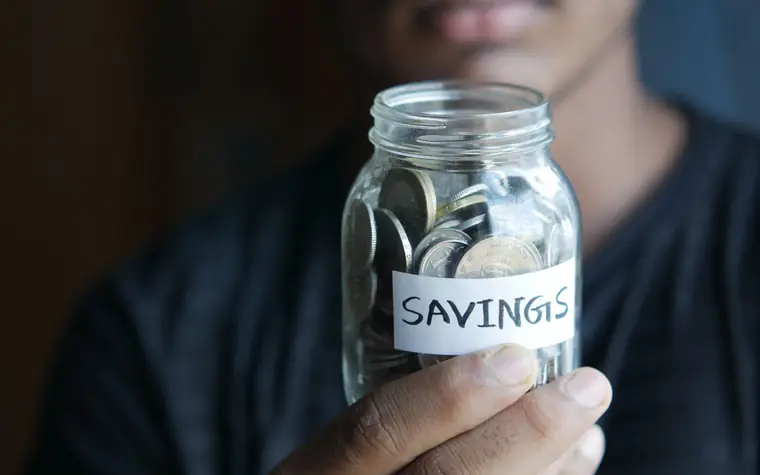
This category also includes small but practical benefits such as youth culture vouchers and public-transport subsidies. Because the amounts aren't large, they're easy to overlook, but they add up to a meaningful sum month by month.
The typical application flow is generally to apply for or issue it online and then use it in card or app form, and the reason it's easy to miss is that people pay no attention at all because the amount is small and so never even apply. Since the eligible recipients and where you can use them vary by region, check the announcements.
3 things to always check before applying
Whatever the category, be sure to go over these three points before applying.
- Income and asset thresholds — A great many programs make you eligible only when your income or assets are below a certain level. The threshold varies by locality and year, so you should directly confirm where your situation falls through official channels.
- Whether you can receive multiple benefits at once — Programs of a similar nature sometimes can't be received together, or you may have to choose one. Conversely, support of a different nature may be combinable, so check in advance whether it overlaps with support you're already receiving.
- Application period and budget exhaustion — Support funds have a set budget, so they often close early once the budget runs out. Many are announcement-based projects rather than always-open, so for programs you're interested in, it's advantageous to apply as soon as the announcement appears.
Where to check
The most accurate channels are Government24 (www.gov.kr), Bokjiro (www.bokjiro.go.kr), and your local government's website. In particular, the integrated youth-policy portal 'Ontong Cheongnyeon' is convenient because you can search many programs at once. Don't treat any number or condition in this article as your final basis; just before applying, reconfirm the latest details through the official channels above.
Frequently Asked Questions (FAQ)
Q1. Can I receive several forms of support at the same time?
It depends on the program. Support of a similar nature may be restricted from overlapping, while support of a different nature may be combinable. To be safe, confirm whether a specific combination is allowed through each program's official guidance or its responsible channel.
Q2. If I have an income, am I automatically excluded?
Not necessarily. There are programs that even employed young people can apply for, and the criteria vary by locality and year. Don't give up in advance assuming "I have income, so I won't qualify"—check your eligibility directly.
Q3. How do I find a program if its name changes?
Names change often, so the most reliable method is to remember the five categories explained in this article (savings, housing, job-seeking, education, living) and search by category on Ontong Cheongnyeon, Government24, and Bokjiro.
In short, if you keep the five categories—savings, housing, job-seeking, education, and living—as your broad framework, check the three points of income, overlap, and period before applying, and make a habit of reviewing the official portals every half-year, you can avoid missing the benefits you're entitled to.
All content is fact-checked under our editorial standards.