
If Your Blood Pressure Is High Only at the Clinic, Measure Again at Home -- The Thresholds Differ (Clinic 140/90, Home 135/85), and You Rest 5 Minutes and Average Two Readings
When a blood pressure reading at a health checkup or a clinic comes back high, the first thought is often "maybe I was just nervous today." In practice, some people are high only in the clinic and normal at home, and others look fine at the clinic but run high at home. That is why the threshold number depends on where the reading is taken. Using only the criteria published by the Korea Disease Control and Prevention Agency's National Health Information Portal and the National Health Insurance Service, this post sets out the difference between clinic and home readings, how to measure properly at home, and what to do after a checkup result.
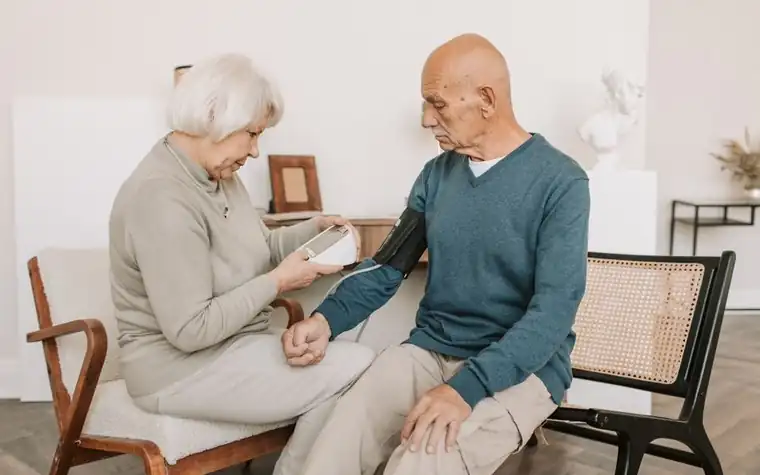
Clinic and home blood pressure use different thresholds
For a reading taken at rest in a clinic, blood pressure is considered normal when systolic is below 120 mmHg and diastolic is below 80 mmHg. A systolic of 120-139 or a diastolic of 80-89 is pre-hypertension, and a systolic of 140 or higher or a diastolic of 90 or higher meets the hypertension threshold. Exceeding either number alone is enough. For example, 142/78 meets the criterion because the systolic is above 140. By contrast, the guidance sets the hypertension threshold for home blood pressure at 135/85 or higher. Readings at home usually run lower than in a clinic, so the line is set 5 mmHg lower. A clinic reading of 138/88 falls in the pre-hypertension range, but the same numbers taken at home are above the home threshold (135/85).
White-coat hypertension and masked hypertension
The National Health Information Portal notes that a clinic reading alone can be inaccurate, so blood pressure measured outside the clinic should be considered as well. High only in the clinic is called white-coat hypertension; normal in the clinic but high in daily life is called masked hypertension. This means one high reading does not settle that you have hypertension, and one normal reading does not settle that you are fine. Which case applies becomes much clearer when you show your doctor values you recorded at home over a period of time.
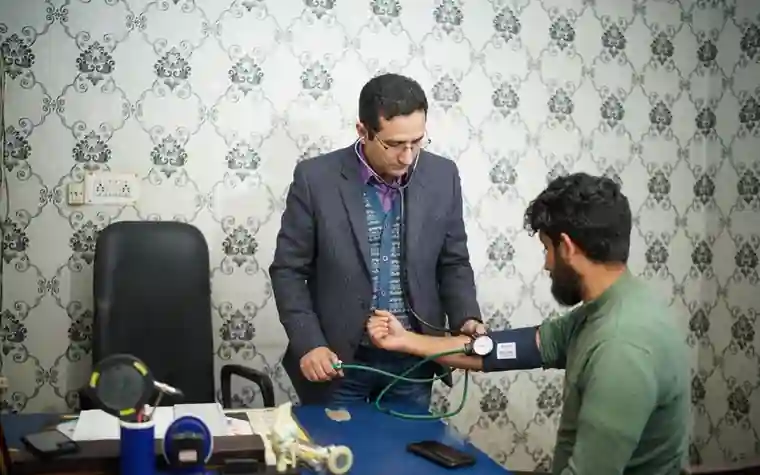
How blood pressure appears on a checkup result
If blood pressure exceeds the standard at a general health checkup, the result notice carries a separate classification of suspected hypertension or diabetes, distinct from suspected general disease, and you may be directed to a secondary checkup. The meaning of the five classifications is explained separately in our guide to the checkup classifications Normal A and Normal B. Even if a suspected-disease flag appears, it reflects a single reading on that day, so it is better to follow the notice for a recheck or a visit and bring your home records with you.
Measuring at home: rest 5 minutes, take two readings, average them
The measurement instructions in the National Health Information Portal are as follows. First, sit and rest for at least 5 minutes. Avoid cigarettes, alcohol and caffeine for 30 minutes beforehand. Sit in a chair with back support, keep your feet flat on the floor, and keep the cuff at heart level. Then take at least two readings 1-2 minutes apart and average them. Guidance generally says to measure in the morning and evening; a commonly used approach is to measure in the morning within an hour of waking, after urinating and before breakfast and blood pressure medication, and in the evening before going to bed. If your doctor gives you a specific schedule and duration, follow that first.
Common reasons the numbers wobble
Blood pressure varies a great deal with the setting and circumstances. Having just climbed stairs, a cup of coffee, a full bladder, talking while measuring, and an arm held lower or higher than the heart can all change the reading. The aim is not to react to a single value but to measure under the same conditions over several days and look at the trend. A line each for date, time and systolic/diastolic is enough for your record.
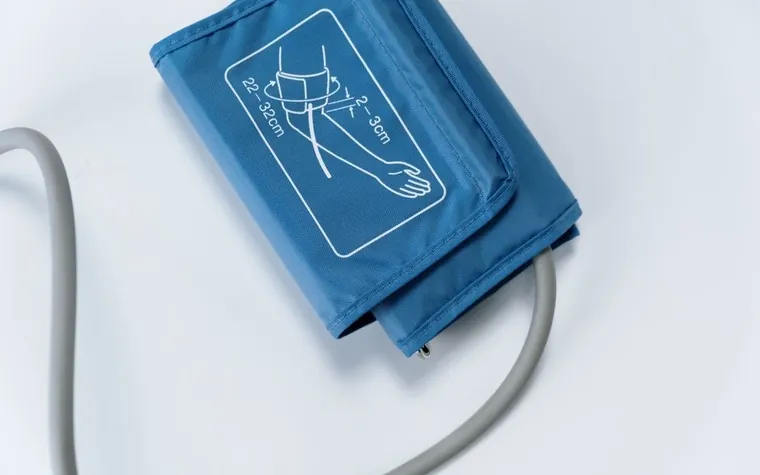
If you are in the pre-hypertension range, change these first
The lifestyle recommendations in the National Health Information Portal come with specific numbers: salt (sodium) intake of 6 g a day or less, a body mass index (BMI) below 25, aerobic exercise at least 5 days a week for at least 30 minutes a day, and alcohol of no more than 2 drinks a day for men and 1 for women. For diet, a DASH-style diet centered on vegetables, fruit and fish is recommended. The guidance describes these lifestyle changes as having an effect comparable to one blood pressure medication, but if you have already been prescribed medication, do not reduce or stop it on your own for that reason. For other numbers on the same checkup, see the cholesterol recheck criteria and the fasting glucose criteria for pre-diabetes.
How often to measure
The National Health Insurance Service recommends measuring blood pressure periodically from age 20, and every year if you are obese or have a family history of hypertension. The National Health Information Portal advises people aged 40 or older, or with a family history, obesity or pre-hypertension, to have their blood pressure checked at a medical institution every year and to review cardiovascular risk factors. If you are eligible for a checkup but have not had one yet, first read our guide to confirming eligibility for the national health checkup and what to do if you missed it.
Summary
The hypertension threshold is 140/90 or higher for clinic readings and 135/85 or higher for home readings, and 120-139 or 80-89 is pre-hypertension. Because there is white-coat hypertension that is high only in the clinic and masked hypertension that is high only at home, a record of two readings averaged after 5 minutes of rest is a better basis for judgment than any single number. This post is general information summarizing public-agency guidance and does not replace medical diagnosis or treatment. If your blood pressure is repeatedly high, or you have symptoms such as headache, chest pain or visual changes, consult a medical institution with your records, and do not change any medication you take without talking to your doctor.
All content is fact-checked under our editorial standards.