
A fasting glucose of 100 to 125 is prediabetes — what to do if that number is on your check-up result
The fasting glucose box on the check-up result reads 108. The reference below says under 100, yet the assessment column carries something ambiguous rather than a clear flag. You feel entirely fine. This state is called prediabetes. It is not a disease, but left alone a substantial share of cases progress to diabetes — and it is also the stage at which it can still be turned around.
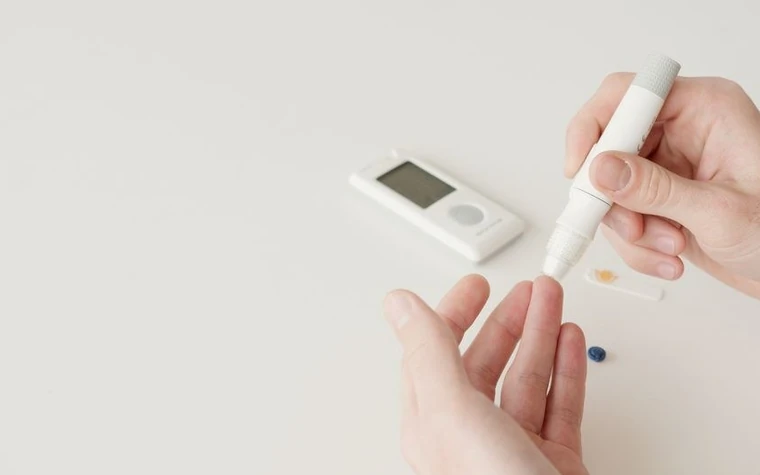
Which numbers count as prediabetes
The criteria divide across three tests. Meeting any one of them is enough.
- Fasting glucose 100–125 mg/dL — impaired fasting glucose. Measured after at least eight hours without food; 126 mg/dL or above moves into the diagnostic range for diabetes.
- HbA1c 5.7–6.4 per cent — reflects average glucose over the past two to three months. 6.5 per cent or above is the diabetes range.
- Two-hour glucose of 140–199 mg/dL on an oral glucose tolerance test — impaired glucose tolerance. Measured two hours after 75 g of glucose; 200 mg/dL or above is the diabetes range.
What confuses people most here is a normal fasting glucose with an HbA1c that is flagged. Fasting glucose is a single moment while HbA1c is a months-long average, so someone whose levels rise mainly after eating will not be caught by the fasting value alone. If your check-up looked only at fasting glucose, you have seen part of the picture.
The reverse also occurs. Anaemia and some blood disorders can make the HbA1c read lower or higher than the true value. Which is why the final judgement has to come from a consultation rather than a single sheet of results.
Test conditions move the numbers too. Eating heavily late the night before, or fasting for less than eight hours, can push fasting glucose above the true value, and acute infection or medication such as steroids raises glucose temporarily. If one reading sits on the border, repeating it under the right conditions comes first.
The absence of symptoms is the crux
At the prediabetes stage there is almost nothing to feel. The familiar symptoms — intense thirst, increased urination, weight loss — appear only once glucose is considerably higher. In this range there is no way to know other than testing.
That is what makes this period risky. Nothing hurts, so the result sheet goes in a drawer and two years pass until the next check-up. The numbers climb quietly in the meantime.
Being an indicator that shows only on testing, in a symptom-free window, mirrors the structure covered in the early symptoms of hyperlipidaemia. Cholesterol and glucose both belong to the group where "noticing it means it is already late".
What to change now to turn it around
Society guidelines consistently state that changing lifestyle at the prediabetes stage can prevent or delay progression to diabetes. The measures with the strongest evidence are weight and activity.
Set a weight target of around 5 to 7 per cent of current body weight. At 80 kg that is 4 to 6 kg. Even without a large loss, how efficiently insulin works changes noticeably.
For exercise, at least 150 minutes a week of moderate-intensity aerobic activity is the baseline — 30 minutes of brisk walking five days a week covers it. Adding resistance training two or three times a week increases the routes by which muscle uses glucose. If you are starting from walking, the approach in building a walking habit applies directly.

Where to actually adjust the diet
There is no need to overturn the whole diet. Starting with the points where glucose spikes hardest is what lasts.
First, sugar taken in liquid form — soft drinks, fruit juice, sweetened coffee. Sugar that arrives without chewing is absorbed quickly and produces the largest post-meal rise. The same fruit blended into a drink gives a different result.
Next, the quantity of refined carbohydrate. Start by reducing the portion of white rice, white bread and noodles and raising the share of whole grains. Plans to cut them out entirely rarely survive two weeks.
Alcohol works in two directions: it is calorie-dense in itself, and refined carbohydrate tends to arrive alongside it. The point is not to stop but to reduce the number of occasions per week, which is realistic.
The order of eating helps too. Vegetables and protein first, carbohydrate afterwards flattens the post-meal curve for the same meal. Reducing late-night eating works on the same principle. Poor sleep worsens glucose control, so the habits that improve sleep quality are worth reading alongside.
When to test again
Once prediabetes is confirmed, annual testing is the usual recommendation. Rather than waiting for the two-yearly national check-up, rechecking HbA1c three to six months after changing your habits tells you whether the direction is right.
There are related items to look at as well: blood pressure, triglycerides and HDL cholesterol, and waist circumference. Where these are flagged together, cardiovascular risk is calculated separately, so glucose is not judged in isolation. How to read the related figures is set out in reading cholesterol numbers.
Whether medication is needed is a doctor's decision. Even at the prediabetes stage, medication is sometimes considered where risk is high, but that is decided together with age, weight, family history and other conditions. Do not start or stop medication on your own judgement.
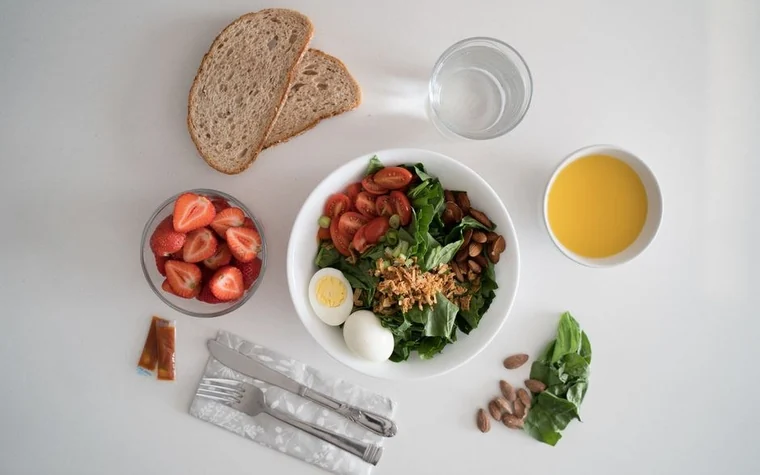
In summary
Meeting any one of fasting glucose 100–125 mg/dL, HbA1c 5.7–6.4 per cent or a two-hour tolerance value of 140–199 mg/dL indicates prediabetes. With no symptoms, the result sheet is the only signal.
What to do narrows to three things: lose 5 to 7 per cent of body weight, 150 minutes of aerobic activity a week plus resistance training two or three times, and cut liquid sugar and refined carbohydrate. Then check again each year. Being in a reversible window means that the moment you receive the result is the most favourable point you will have.
This article is general health information and does not replace diagnosis or treatment. Interpretation of test values and any decision about treatment should be discussed with a clinician.
All content is fact-checked under our editorial standards.