
Dismissed While Recovering From a Work Injury? Article 23 of the Labor Standards Act Bars Dismissal During Recuperation and for 30 Days After
If you are on workers' compensation recuperation after an injury at work and your company tells you "you can stop coming in," there is something you should know first. The Labor Standards Act bars an employer from dismissing a worker during the period of leave taken to recover from a work-related injury or illness, and for 30 days afterward. This article explains how long the protection lasts, what the exceptions are, and what order to act in if you receive a dismissal notice.
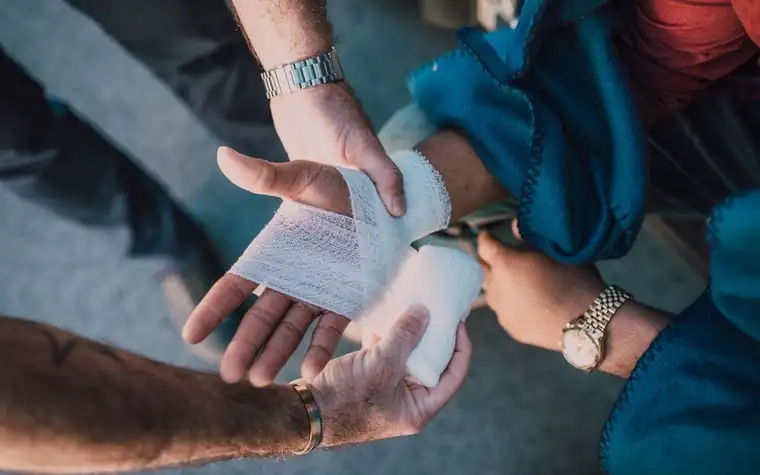
What Article 23(2) of the Labor Standards Act prohibits
Article 23(2) is short. An employer may not dismiss a worker during the period the worker is off work to recover from a work-related injury or illness, or for 30 days after that period. The same paragraph protects the period of maternity leave before and after childbirth and the 30 days that follow. The purpose is to let workers focus on treatment without fear of losing their job. However plausible the stated reason, a dismissal made during this period is in principle not allowed.
When the protected period starts and ends
It starts on the day you stopped working in order to recuperate from the work-related accident. It ends on the 30th day after the recuperation ends and you are able to work again. For example, if recuperation ended on 1 December, the dismissal restriction can be treated as running through 31 December. How the period is counted when someone works only part of the time while receiving treatment can be interpreted differently depending on the case, so rather than assume, it is safer to check with the labor office or a labor attorney.
What matters is that the standard is the fact that you are recuperating from a work-related injury, separate from whether the workers' compensation claim has been approved. That is why you should gather the records from before and after your claim (medical certificates, the recuperation benefit application, and documents showing your leave period). For the claim procedure, see our article on the first steps of a workers' compensation claim.
Two exceptions
The provision says the prohibition does not apply in the following two cases.
- Lump-sum compensation was paid - Under Article 84 of the Labor Standards Act, this is where the worker has not recovered two years after recuperation began and the employer pays lump-sum compensation equal to 1,340 days of average wages.
- The business cannot continue - Where the business cannot be carried on because of a natural disaster or another unavoidable reason.
Lump-sum compensation is only available after two years of recuperation, so if you have been recuperating for just a few months and are told "we paid lump-sum compensation, so you have to leave," the requirements need to be checked first. Ordinary business difficulty alone is generally regarded as not enough to count as being unable to continue the business, but the specific judgment varies by case, so it is hard to state definitively.

What happens to a company that dismisses a worker on recuperation leave
Article 107 of the Labor Standards Act provides that an employer who violates Article 23(2) may be punished by imprisonment of up to five years or a fine of up to 50 million won. A separate criminal penalty shows how seriously the legislature treats this protection. For the worker, there are two separate routes: contesting the effect of the dismissal, and asking that the employer be punished.
What to do within a day of receiving a dismissal notice
- Preserve the notice. If it came by text message, a messaging app or email, take screenshots; if it was only spoken, write down the date and who said it. A dismissal without written notice raises a separate question about its validity.
- Collect documents proving your leave period. These are the recuperation benefit application, the notice of approval (or receipt) from the Korea Workers' Compensation and Welfare Service, and hospital certificates and admission and outpatient records.
- Do not sign a resignation letter. The structure by which signing a recommended-resignation letter makes it hard to contest is explained in our recommended resignation article.
- Look at dismissal notice pay separately. This prohibition is independent of the notice obligation that applies even where dismissal is permitted. The exceptions are in our dismissal notice pay article.

Where and how to contest it
If you believe the dismissal is unjust, you can file an unfair dismissal remedy application with the Regional Labor Relations Commission, and the deadline is generally understood to be three months from the date of dismissal. The fact that the dismissal happened during recuperation for a work-related injury is the first thing to put in the application. To seek punishment of the employer, you file a complaint with the competent regional employment and labor office. Before spending money, you can consult the Ministry of Employment and Labor counseling center (1350) or the Korea Legal Aid Corporation (132). Deadlines and procedures can change, so confirm them once more with the relevant agency before filing.
Can you return to work when recuperation ends
That the restricted period has passed does not make every dismissal justified. The general principle that dismissal requires a justifiable reason still applies. Where a lasting impairment makes the original job difficult, whether the employer considered reassigning the worker can become an issue in the dispute. If your claim was not approved or was rejected, you must first go through the objection procedure for a rejected workers' compensation claim.
Summary of the order
- Preserve evidence of the dismissal notice and do not sign a resignation letter.
- Gather documents showing when recuperation began and your current treatment status.
- Check whether it has been within two years of the start of recuperation and whether lump-sum compensation was paid.
- Prepare a remedy application to the Regional Labor Relations Commission within three months, and report to the labor office if needed.
- Consult 1350 or 132 about your own case.
This article does not replace legal advice or a judgment on any individual case. The outcome can differ depending on the specific facts, so please confirm with the labor office, the Labor Relations Commission or a labor attorney. (Sources: Labor Standards Act Articles 23(2), 84 and 107, checked 18 November 2026)
All content is fact-checked under our editorial standards.