
Dental Scaling Insurance Covers One Cleaning per Calendar Year, Not Every 12 Months -- Even After a December Visit, Coverage Resets on January 1
Dental scaling is widely known as a service covered by Korean national health insurance, but many people get the timing wrong. The common belief is that you must wait twelve months after your last cleaning. The National Health Insurance Service (NHIS) says otherwise: the year runs from January 1 to December 31, and you get one covered cleaning within that calendar year. So even if you had one last December, coverage applies again on January 1. With three months left in the year, here are the conditions under which scaling is covered and not covered, based on NHIS materials.
Coverage is for people aged 19 and over
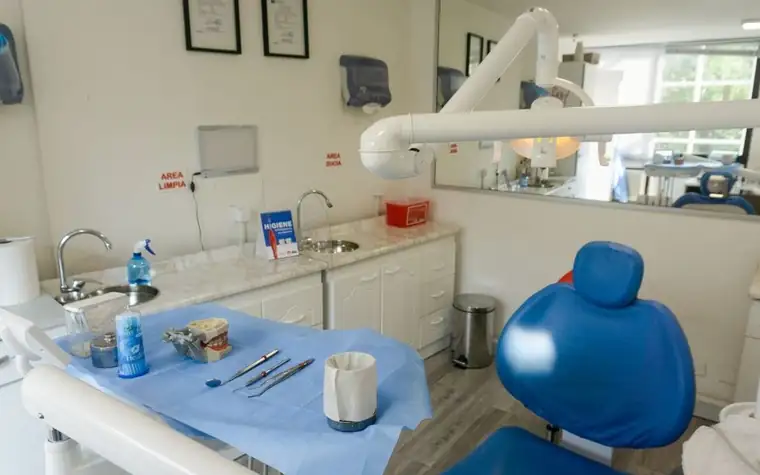
The NHIS describes the covered group as people aged 19 or older whose treatment ends with scaling alone, with no follow-up gum treatment. Age is counted in full years from the date of birth. Under 19, scaling done as a step before periodontal surgery is covered under a separate item. The "once a year" rule in this post applies to adults who get a cleaning and nothing more.
The year is a calendar year, not twelve months
The NHIS question-and-answer document states that an adult who has scaling in January cannot have covered scaling again until December 31 of that year. Put the other way, a cleaning at the end of December does not stop a new covered one on January 1. This calendar-year rule took effect on January 1, 2018. Before that, the year ran from July 1 to June 30 of the next year. If you have not had a covered cleaning this year, it has to happen by December 31, because the unused turn does not carry over.
A second cleaning in the same year is not covered, and you pay in full
A second scaling within a year is non-covered, and dental clinics set those prices freely, so the same procedure costs different amounts in different places. The NHIS explains that for adults with no follow-up gum surgery, a cleaning every six months to two years is appropriate, which is why coverage is limited to once a year. If you want a cleaning every six months, one of them may be non-covered, so ask the clinic about the price before the second visit.
Some purposes are not covered even for the same procedure
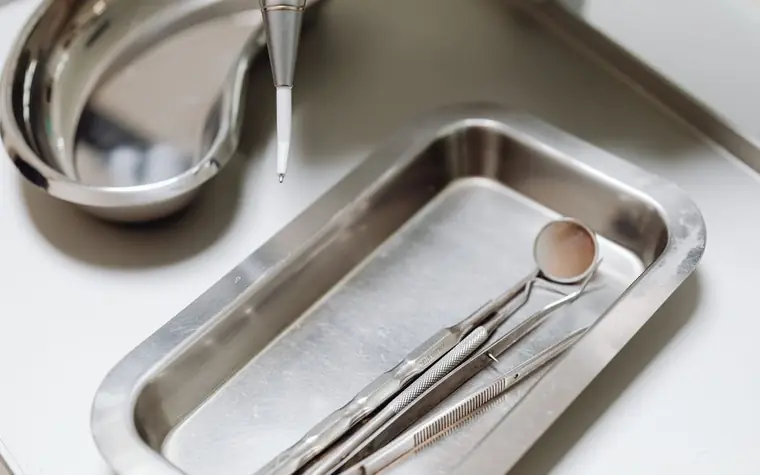
The rules on medical care benefits treat scaling for the following purposes as non-covered.
- Removing bad breath
- Removing stains from teeth
- Scaling for orthodontics or prosthetics
- Regular scaling done to promote oral health in general
However, a full-mouth scaling that ends the treatment is excluded from these non-covered items by the Ministry of Health and Welfare. The NHIS also answered that if gum disease develops after braces or a prosthesis and a full-mouth scaling is performed, it can be billed as covered depending on the severity. In the end, how it is handled depends on the purpose and condition recorded in the chart.
The NHIS database decides whether you had one this year, and you can check it yourself
Dental clinics look up whether you have already had a covered cleaning this year through the NHIS provider portal, and if you are eligible they register the procedure date in the system. The NHIS notes that if the date is not registered, and another clinic registers first, the clinic that did the work first cannot receive the benefit payment. If you cannot have the whole cleaning done in one visit and split it over two days, each day counts as 0.5 and the total is one.
Patients can check eligibility through the "scaling treatment information inquiry" menu on the NHIS website, and the NHIS says annual counts can also be viewed at clinics, NHIS branch offices and the mobile app. If a registration seems wrong, the clinic can cancel it on the same day, and after that you must file a cancellation form with an NHIS branch. If the claim has already been submitted, the clinic must first ask the Health Insurance Review and Assessment Service (HIRA) to recover it.
How to check your copayment and any non-covered charge
The NHIS only says that the statutory copayment rate applies to covered cases, and the amount varies by type of medical institution and the treatment given, so this post does not state a figure. At the front desk, ask two things: whether the cleaning is insured and how much it costs. If you doubt a non-covered charge, see how to request a non-covered fee review from HIRA, within five years. If you already hold dental insurance, how waiting periods and reduced benefits work is covered in dental insurance for implants: the 90-day waiting period and two-year reduction.
Scaling is not the end of dental care
Scaling is used to prevent and manage early gum disease, but depending on the state of your gums you may need follow-up treatment. When follow-up gum treatment is involved, the coverage count and age limits differ, so listen to your dentist's explanation. As you get older and need implants or dentures, it is also worth checking health insurance coverage for implants and dentures at age 65. This post organizes public NHIS information as general guidance and does not replace a personal diagnosis or treatment. If you have symptoms, please see a dentist.
The order of steps to take this year
First, check on the NHIS website under "scaling treatment information inquiry" whether you have already had one this year. Second, if you have not, book before December 31. Third, at the front desk ask first whether it is insured and what you will pay. Fourth, if you already had one this year, the next covered cleaning is on or after January 1 of next year. For the final word on coverage rules and amounts, check with the NHIS (1577-1000) or its website.
All content is fact-checked under our editorial standards.