
Non-Covered Medical Charges Look Wrong? File a Fee Confirmation Request With HIRA -- Within Five Years
Sometimes a hospital receipt shows an amount billed as "non-covered" (out-of-pocket) that looks like it should have been eligible for National Health Insurance (NHI). In that case, you can file a fee confirmation request with the Health Insurance Review and Assessment Service (HIRA), and HIRA will re-examine whether that charge was actually an NHI-eligible item. The key point is that you're not disputing it directly with the hospital -- you're asking an official body to review the billing.
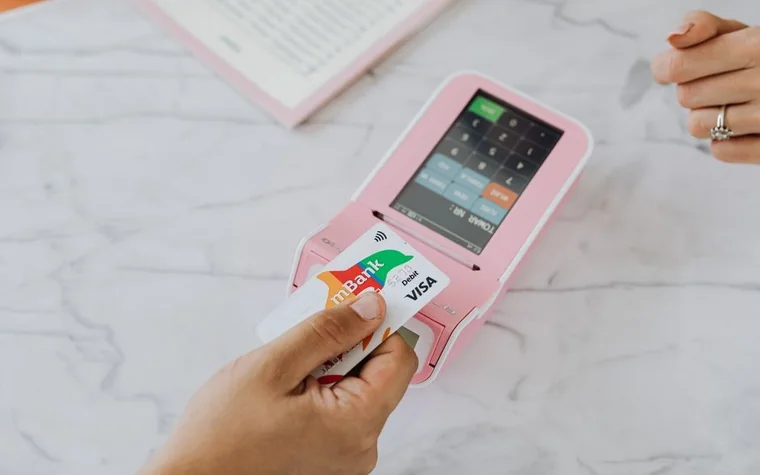
You can actually get a non-covered charge reviewed
What this system actually checks
The formal name for this is the Medical Fee Confirmation System. It's a remedy procedure in which HIRA verifies whether a non-covered charge billed to a patient (including full out-of-pocket amounts) was, in fact, eligible for National Health Insurance or Medical Aid coverage. If HIRA determines the item should have been covered, the hospital must refund the difference to the patient. If the charge really was legitimately non-covered, no refund happens. Filing a request doesn't automatically get you money back -- it's best understood as a re-check of whether the billing was correct, not a guaranteed refund.

How to file -- four different channels
There's more than one way to submit a fee confirmation request to HIRA. You can file online (including mobile) directly through HIRA's website, submit it in writing (mail, fax, or electronic document), or visit a regional office in person. If you're on a public social welfare system such as basic livelihood support, there's also a separate channel through Haengbok-eum. You attach your receipt and itemized statement to the request form, and the whole process runs directly between the patient and HIRA -- the hospital isn't the one filing it.
There's also a practical time limit on this. Because medical institutions are only required to keep records such as treatment history for a statutory retention period of five years, charges older than that become difficult for HIRA to verify at all. If you've found an old receipt, it's worth filing sooner rather than later; for charges from the last few years, a request is almost always still possible.

Starting in 2027, crossing 300 outpatient visits a year changes things
Fee confirmation isn't the only tool aimed at managing non-covered charges and overuse. The government is pursuing a plan under which, starting January 1, 2027, once a patient's annual outpatient visits exceed 300, the copay rate would rise to 90% from the 301st visit onward. The intent is to flag cases of medically unnecessary, excessive hospital use. Since this measure is based purely on visit count -- separate from patients who genuinely need frequent care for an ongoing condition -- it's a different kind of system from fee confirmation, which checks whether an individual non-covered charge was billed correctly. Detailed exceptions may still be announced before it takes effect, so check NHIS and HIRA notices for the finalized rules.
It's also worth distinguishing this from a similarly named system. HIRA also operates the infrastructure for a system that lets medical institutions check a patient's care-utilization history, which helps hospitals avoid duplicate care -- this is a separate, institution-facing tool, not something a patient files. The distinction to remember: fee confirmation checks whether the money you paid was billed correctly, while the utilization-history system is infrastructure hospitals use to look up your treatment history.
How the refund process plays out
Once HIRA finishes its review and confirms an item was NHI-eligible, the hospital has to refund the difference to the patient. This is a different process from the out-of-pocket ceiling refund, which is automatically calculated and issued once a patient's annual medical costs cross an income-based threshold. The ceiling refund is a case where NHIS calculates and notifies you; fee confirmation is a case where the patient flags a specific charge and requests review. Both eventually mean "getting money back," but who initiates it is different.
Cases worth double-checking at larger hospitals
Large hospital bills with non-covered items mixed in are exactly where this is worth checking, since the total on a receipt alone doesn't tell you which charges are legitimately non-covered and which are worth a closer look -- the same reason catastrophic medical expense support is calculated off your actual covered costs rather than the sticker total. For care where the copay rate is set by law from the start -- as with National Cancer Screening -- comparing each line-item copay rate against that statutory rate is a reasonable first step in deciding whether a fee confirmation request is worth filing.
What's worth preparing before you file
When filing a fee confirmation request, it helps to gather both your receipt and the itemized statement of medical (and drug) charges. You can request the itemized statement at the hospital's billing or administrative desk, and it lists each charge's code along with whether it was billed as covered or non-covered -- useful reference material for HIRA's review. A receipt alone usually only shows the total, without breaking down which items were covered versus non-covered, so having the itemized statement on hand also makes it easier to decide exactly which charges to dispute when you fill out the request.
That said, not every request results in a refund. In a fair number of cases, HIRA's review confirms the charge was legitimately non-covered from the start. If it's a new medical technology not yet incorporated into NHI coverage, or a non-covered test or treatment the patient chose voluntarily, the original billing stands and no refund follows. This system isn't structured as "file and get at least something back" -- it's a re-check of whether billing was correct -- so if you're unsure whether a charge should have been NHI-eligible, asking the hospital's billing desk or the NHIS call center beforehand can also save time.
Bottom line
If you suspect a non-covered charge should have been eligible for National Health Insurance, you can file a fee confirmation request with HIRA online, by mail, or in person, and since records are only kept for five years, it's safer to file within that window. If HIRA confirms the charge should have been covered, the hospital refunds the difference; if not, there's no refund. The planned 2027 copay increase for exceeding 300 outpatient visits a year is a separate, visit-count-based system, so don't confuse the two -- check NHIS and HIRA for the finalized implementation details.
All content is fact-checked under our editorial standards.