
Sleep apnoea — how it differs from snoring, the sleep study and what insurance covers
The snoring has been mentioned for years, and then one day mornings start with a heavy head and daytime sleepiness becomes hard to fight. Simple snoring and sleep apnoea are different states, and the criteria that separate them are defined. Here is what to look for, which test is used, and how far insurance goes.
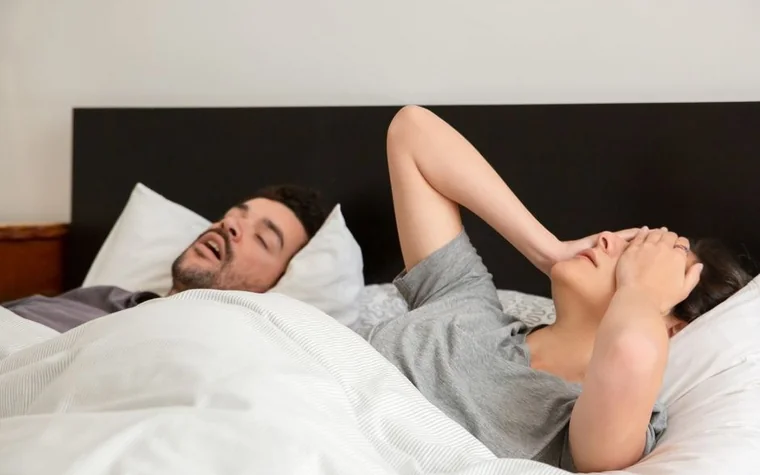
What separates snoring from apnoea
Snoring is the sound of tissue vibrating as the airway narrows during sleep. Noisy as it is, breathing continues.
Sleep apnoea is a step beyond. The airway becomes completely or partially blocked so that breathing stops or becomes shallow, repeatedly, through the night. When breathing stops, blood oxygen falls and the brain briefly wakes to restart it.
The person has no memory of waking. Which is why the state of sleeping enough yet never feeling rested persists. Daytime sleepiness, morning headache and poor concentration come from here.
Signs worth suspecting
The clearest signal is a partner saying "it looked like you stopped breathing" — snoring that continues, falls silent, and is followed a moment later by a large gasp.
Sleeping alone, look for these: waking because you feel unable to breathe, a dry mouth in the morning, frequent trips to the toilet at night, morning headache, and drowsiness while driving during the day.
If it worsened as weight increased, the likelihood rises further, because a thicker neck makes the airway easier to compress when lying down. That said, it also occurs in slim people — a small jaw or large tonsils, for instance.

Diagnosis is confirmed by a sleep study
Diagnosis is made by polysomnography: sleeping a night at the hospital while brain waves, breathing, oxygen saturation, cardiac rhythm and leg movements are recorded together.
The key figure it produces is the apnoea-hypopnoea index (AHI), the number of times per hour breathing stops or becomes shallow, and severity is graded from it. Broadly, five or above falls within the diagnostic range, with 15 and 30 marking moderate and severe.
Polysomnography has been covered by national health insurance since 2018. There are conditions, however. A relevant specialty — ENT, neurology, psychiatry — must assess it as necessary after a consultation, and symptom criteria are applied. It is not a test you can simply request like a screening item.
Treatment — CPAP and the alternatives
The standard at moderate severity and above is continuous positive airway pressure (CPAP), which delivers air at a set pressure through a mask during sleep so the airway does not close.
CPAP is also covered by insurance. It is rented on prescription, and there is a compliance period: continued support requires a record of actual use over a defined period. Criteria specify a minimum number of hours per night, so check them when it is prescribed.
In mild cases, or where posture is a large factor, an oral appliance that holds the lower jaw forward, or training yourself to sleep on your side, may be tried first. Where tonsils or nasal structure are the cause, surgery is considered.
What to change first in daily life
Weight loss has the clearest evidence behind it; as weight falls, the AHI often falls with it. Related items to watch on a check-up result are also set out in the causes and risk factors of hyperlipidaemia.
Next is sleeping position. Lying on your back lets the base of the tongue fall backwards and narrow the airway. Some people improve simply by sleeping on their side, and a cushion placed against the back is one way to encourage it.
Alcohol before bed should be avoided; it relaxes the muscles around the airway and worsens apnoea. Sleeping tablets warrant the same caution for the same reason.
If a blocked nose has created a habit of mouth breathing, treating the rhinitis is part of the picture. Other measures work better once nasal breathing is restored.
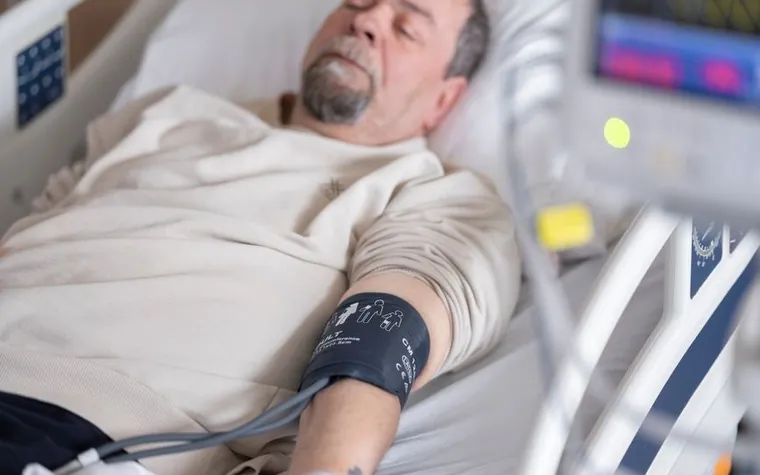
What is at stake in delaying
Sleep apnoea does not stay a sleep problem. Repeated low oxygen and arousal place a burden on blood pressure, the heart and glucose control, and it is sometimes identified as a background cause when hypertension responds poorly to medication.
The immediate risk is daytime sleepiness. In work involving driving or machinery, accident risk rises materially.
Longer term, links with cognitive function are under study. Where poor sleep quality persists, people sometimes report memory difficulties, which makes it worth examining alongside how to distinguish early forgetfulness.
In summary: more than the snoring itself, a witnessed pause in breathing, daytime sleepiness and morning headache overlapping is reason enough to be tested. Both the study and CPAP are covered by insurance, so cost is little reason to delay. Another item worth checking on the same result sheet is the prediabetes glucose range. Keeping a week's record of sleep hours and daytime sleepiness before deciding on the test makes it far easier to explain at the appointment.
All content is fact-checked under our editorial standards.