
How Much Water Should You Drink? — What to Know About Hydration
You've probably heard the saying that "you must drink two liters of water a day." But does everyone really need to drink the same amount? To put the conclusion first, the amount of water you need differs from person to person and from situation to situation. It varies greatly with body size, activity level, weather, the food you eat, and your health condition. What matters is not filling a set number, but the habit of reading the signals your body sends and steadily replenishing fluids. This article summarizes why water is needed, which body signals are worth referring to, and practical tips for staying hydrated without strain.
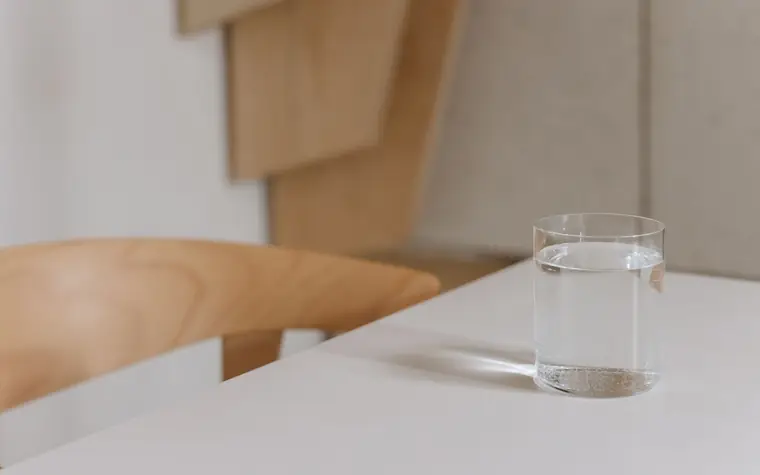
Why Our Bodies Need Water
Water is the component that makes up the largest proportion of our bodies. It regulates body temperature, carries nutrients and oxygen to cells, and is involved in flushing out waste through urine and sweat. It helps joints move smoothly and is used in the digestive process. That's why, when fluids run short, functions throughout the body can gradually slow down.
Throughout the day we constantly lose water through urine, sweat, breathing, and even through the skin. So we need to replenish as much as we lose. However, there's no need to pin down this "amount to replenish" to a single number. Water is found in considerable amounts not only in what you drink but also in foods such as soup, fruit, and vegetables, so it's naturally replenished through meals as well.
The factors that change how much water you need are more varied than you might think. If you have a large body or a lot of muscle, you may need more water accordingly, and on days with a lot of activity, the amount lost through sweat increases. A hot or low-humidity environment, and an indoor space made dry by heating or cooling, also increase fluid loss. Your needs also change with your condition — on days you eat a lot of salty food, during pregnancy or breastfeeding, or when you have a fever, diarrhea, or vomiting. Because there are so many variables, it's hard to size everyone up with a single formula of "so many liters a day."
Reading the Hydration Signals Your Body Sends
Rather than complex calculations, it's more practical to listen to your body's signals. The representative signals are as follows.
- Thirst: This is the most basic signal. When your mouth is dry, it's good to drink water rather than hold out.
- Urine color: A pale yellow (light lemon shade) is generally considered a sign that hydration is well maintained. If the color is dark and the amount small, it may be a sign of insufficient fluids. However, vitamins, some foods, and medications can change the color, so use it only as a reference indicator.
- Dry mouth, fatigue, a mild headache: There are cases where a glass of water helps when you feel these.
That said, the sense of thirst can dull with age, and during exercise or on hot days fluids may already be leaving before you feel thirsty. So rather than trusting thirst 100%, it's good to watch it together with other signals such as urine color.

Everyday Tips for Staying Hydrated Naturally
For fluid intake, drinking a little at a time throughout the day puts less burden on the body than drinking a lot at once. The methods below are habits you can practice without strain.
- Keep it in sight: Placing a cup or bottle of water on your desk or a spot you pass often makes your hand reach for it naturally.
- Link it to your routine: Attaching drinking water to things you already do — a glass when you wake up, a glass before and after meals — helps you not forget.
- Add variety in taste: If plain water is boring, adding a slice of lemon or cucumber for aroma is one method.
- Increase it to match activity and weather: On days you exercise or sweat a lot, and in hot summer or dry indoor spaces, take in a little more than usual.
- Replenish through food too: Foods high in water — watermelon, cucumber, tomato, broth dishes — also add to your day's hydration.
Drinks like coffee, tea, and soda also contribute to hydration to some degree. However, frequently drinking sugary beverages in place of water is not recommended. Caffeinated drinks are known to have a diuretic effect, but at ordinary drinking amounts they're not considered a big minus for hydration. Still, it's best to cover the basics with water.
Conversely, rather than gulping down too large an amount at once, the habit of drinking in portions at intervals of an hour or two is more comfortable for the body. Drinking a lot of water right before bed makes it easy to wake up needing the bathroom, so adjusting the amount a bit in the evening is also a good idea. Above all, the secret to a lasting habit is to blend it naturally into the flow of your day rather than making it feel like "forcing yourself to fill a quota."

Common Misconceptions
"Everyone must drink two liters a day." It's a frequently cited number, but it's not a one-size-fits-all answer. Your needs vary with build, activity level, temperature, and diet. When you also account for the water taken in through food, the amount of "water" you need to drink differs from person to person.
"The more water you drink, the better, no matter what." Fluids are important, but drinking an excessive amount in a short time can actually burden the body. In particular, if you have a condition related to kidney or heart function, or need to manage fluids and salt, you must follow a physician's guidance.
"Drinking coffee or tea actually loses you water, so it's a loss." It's true that caffeine has a diuretic effect, but at everyday drinking levels the fluid in the beverage itself is known to offset the loss. Rather than treating it as a substitute for water, using it alongside water is about right.
Frequently Asked Questions (FAQ)
Is it okay to drink only when I'm thirsty?
If you're generally healthy and have an average activity level, drinking according to thirst is largely fine. However, for older adults whose sense of thirst has dulled, or in situations with heavy sweating, it's better to take in a little at a time in advance before you feel thirsty.
Do coffee and tea count as fluid intake?
They're considered to contribute to hydration to some degree. However, the habit of frequently drinking sugary beverages in place of water is not recommended, and it's advised to cover the basics of your daily hydration with water.
Does drinking a lot of water make you lose weight or improve your skin?
Keeping yourself from running short on fluids can help your physical condition, but you can't conclude that water alone brings weight loss or skin improvement. There's talk that drinking water before a meal helps somewhat with fullness, but this varies greatly between individuals and is not an absolute method. It should be viewed together with your overall lifestyle — a balanced diet, sufficient sleep, and regular activity.
This article is general health information and does not replace medical diagnosis or treatment. If you have a kidney or heart condition, or need to manage fluids and salt, consult a physician.
All content is fact-checked under our editorial standards.