
Hyperlipidemia and Supplements — Reference Ingredients Like Omega-3 and Red Yeast Rice, and Cautions
The first thing people searching for supplements said to be good for hyperlipidemia (dyslipidemia) should know is that supplements are not a treatment but a supplementary means. Omega-3, plant sterols, and soluble dietary fiber are frequently mentioned, but these are not medicines that reliably lower cholesterol—they are merely health functional foods. What this article wants to emphasize more is not "what should I buy and take" but "what to be careful of and whom to consult." In particular, if you are taking anticoagulants or existing lipid medications, or if you intend to self-administer high doses of ingredients like red yeast rice or niacin, you must consult a doctor or pharmacist first.
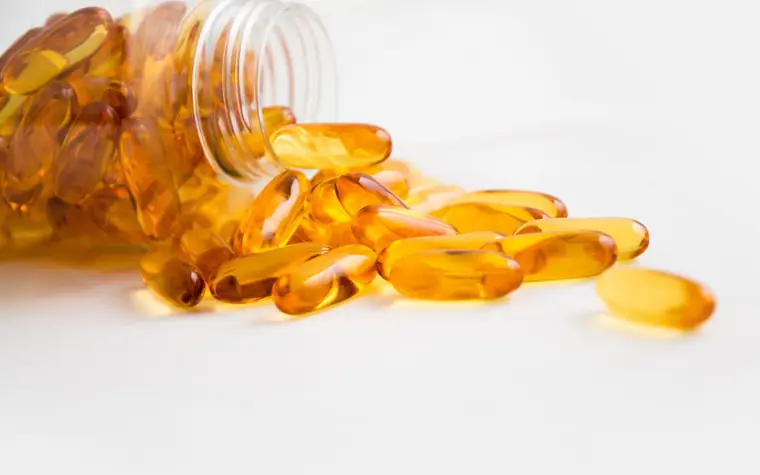
Can Supplements Manage Hyperlipidemia? — Their Limits
To get straight to the point, expecting to manage hyperlipidemia with supplements alone is dangerous. Health functional foods are not medicines and cannot be guaranteed to treat or prevent disease. Legally, too, health functional foods cannot claim to "treat or prevent disease," and functionality claims are limited to the level of "may help." In other words, no ingredient can be asserted to "cure" cholesterol or to "reliably lower" it.
The core of managing dyslipidemia is lifestyle improvement such as diet, exercise, and weight management, and, when necessary, drug treatment prescribed by a doctor. Supplements, within this larger framework, sit only in a position where they may help in a supplementary way. The biggest problem is that if you rely on supplements alone while leaving your lifestyle unchanged, you may miss the very point at which management is needed.
Frequently Cited Ingredients and Their Context
Organizing, without asserting efficacy, the context in which commonly mentioned ingredients come up:
- Omega-3 (EPA·DHA): Frequently mentioned in relation to blood triglyceride management. However, it is hard to regard it as an ingredient that lowers LDL cholesterol itself, and responses differ from person to person.
- Plant sterols and stanols: Mentioned in relation to the absorption of cholesterol in food, and used as functional ingredients in some products.
- Soluble dietary fiber (psyllium husk, etc.): Discussed in relation to the digestion and absorption process when taken with meals. However, this is a concept of complementing rather than replacing a balanced diet.
- Red yeast rice·niacin: Mentioned in relation to lipids, but as ingredients that require caution, they are addressed separately below.
What is important is that just because these ingredients are mentioned does not mean they are necessary or safe for everyone. The pros and cons change completely depending on existing conditions, medications being taken, and each person's lipid numbers.
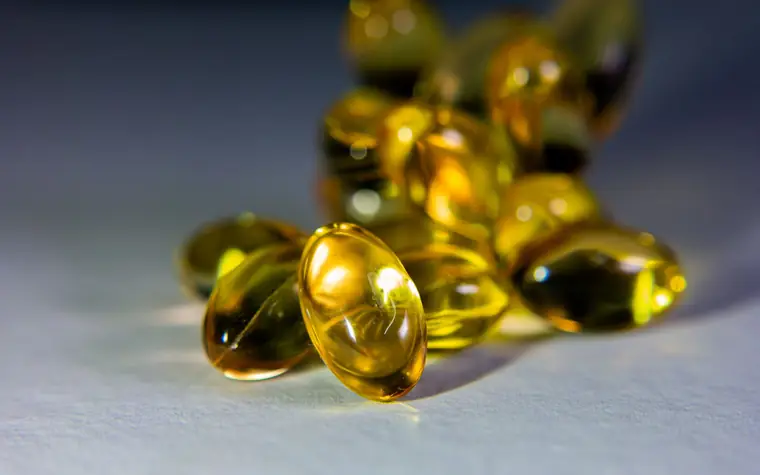
Points You Must Be Careful About — Drug Interactions and Red Yeast Rice Risks
This is the part this article most wants to emphasize. There are cases where a supplement taken to become healthier instead increases risk.
- Interaction with anticoagulants and antiplatelet drugs: Omega-3 and the like, when taken together with anticoagulants including warfarin or drugs like aspirin, can affect bleeding tendency. If you are taking such drugs, you must consult your medical team.
- Overlap with existing lipid drugs (statins, etc.): If you are already taking cholesterol medication and arbitrarily add a supplement with overlapping ingredients, unexpected side effects can occur.
- The risk of red yeast rice: Red yeast rice can contain an ingredient (monacolin) similar to statin-class drugs, so there are concerns about statin-like side effects such as muscle pain and liver-related problems. Moreover, because content varies widely by product and quality control may not be consistent, particular caution is needed. If you are already taking a statin, there is a risk of ingredient overlap.
- Self-administering high-dose niacin: Taking high doses of niacin (vitamin B3) on your own can cause side effects such as flushing and liver burden. It should be considered only under expert supervision.
This article does not present specific dosages or usage. The appropriate intake must be determined individually through the product's labeling and expert consultation, and it does not recommend any particular brand or product either.
What to Do Before Supplements
Before agonizing over supplements, the proper order is to check the basics whose effects are clear.
- Accurately grasp your own cholesterol and triglyceride numbers through regular blood tests.
- Reduce saturated and trans fats and adjust your diet to center on vegetables, whole grains, and fish.
- Consistent aerobic exercise, maintaining an appropriate weight, quitting smoking, and moderating alcohol.
- If your numbers are high or you have risk factors, set up a treatment plan with a doctor instead of judging arbitrarily.
Official and trustworthy information can be found at the Ministry of Food and Drug Safety's health functional food information and the Korea Disease Control and Prevention Agency's National Health Information Portal. We recommend referring to such official sources first, rather than promotional reviews or personal anecdotes.
What to Check When Choosing a Health Functional Food
If you still consider a supplement, it is good to check at least the following. First, look at whether the packaging bears the Ministry of Food and Drug Safety's health functional food certification mark and what the stated functionality is. Second, check the content of the ingredients, the daily intake, and the precautions for consumption. Third, do not trust exaggerated advertising along the lines of "treats or cures cholesterol" or reviews centered on personal anecdotes. Legally, health functional foods cannot claim to treat or prevent disease. Above all, if you are taking any medication or have an underlying condition, the first step is to have a doctor or pharmacist verify the ingredients and interactions before purchase. Official information can be looked up at the Ministry of Food and Drug Safety's health functional food information.
Frequently Asked Questions (FAQ)
Q. Does taking omega-3 lower cholesterol?
Omega-3 is mentioned in relation to triglyceride management, but it cannot be asserted to reliably lower cholesterol. Responses differ from person to person and it remains only a supplementary role.
Q. I'm taking medication—can I take supplements together?
Combining them arbitrarily carries a risk of interaction. Especially if you are taking anticoagulants or lipid drugs, you must consult a doctor or pharmacist first.
Q. Are red yeast rice products safe?
Red yeast rice can contain an ingredient similar to statins, so there are side-effect concerns, and quality also varies widely by product. Do not take it based on your own judgment—consult an expert.
Q. If I just take supplements well, can I skip the hospital?
No. Supplements cannot replace treatment. If you have abnormal numbers, regular checkups and management by a medical professional come first.
This article is general health information and is not a substitute for medical diagnosis or treatment. If you have abnormal cholesterol levels or are taking any medication, be sure to consult a doctor or pharmacist.
All content is fact-checked under our editorial standards.