
Hyperlipidemia Diet — A One-Week Sample Menu and 5 Principles
The core of a hyperlipidemia diet is not "what to remove" but "what to swap it for." This article lays out, with specific menu names, five eating principles you can put into practice today to manage cholesterol and triglycerides, plus a Korean-style sample menu for breakfast, lunch, and dinner from Monday to Sunday. Rather than an extreme approach of starving yourself or cutting out fat entirely, a "swap strategy" that replaces saturated fat with good fat and increases soluble dietary fiber is realistic and sustainable. It also includes tips for sticking to it at restaurants and gatherings, as well as corrections for common mistakes.
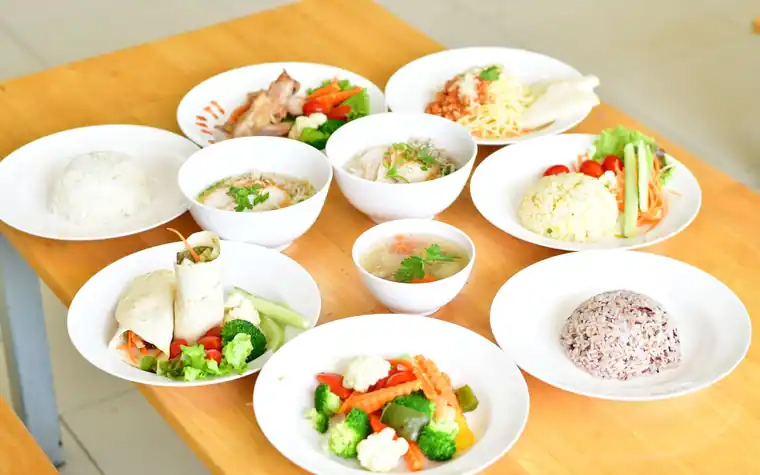
5 Principles of a Hyperlipidemia Diet
Setting a direction comes before complicated calculations. Just keeping the following five principles changes the big picture of your table.
- Reduce saturated and trans fats — Fatty red meats like pork belly and galbi, butter and cream, processed meats (sausage, bacon), and the trans fats in snacks and fried foods raise LDL (bad cholesterol). Choose lean cuts, and remove visible fat and chicken skin.
- Increase soluble dietary fiber — Whole grains like oats, barley, and brown rice, legumes, apples and tangerines, and seaweeds like sea mustard and kelp catch cholesterol in the gut and help excrete it. Make a plate of vegetables a staple at every meal.
- Swap in good fats — Rather than cutting out fat entirely, change the type. The omega-3 in oily fish like mackerel, saury, and salmon, perilla oil and olive oil, and a handful of nuts help with triglyceride management. However, because nuts are high in calories, a handful a day is appropriate.
- Reduce refined carbohydrates and fructose — White rice, white bread, sugary drinks, and snacks greatly raise triglycerides. Switch rice to brown rice or multigrain, and choose water or unsweetened tea instead of sweet drinks.
- Reduce sodium — Leaving broth behind and reducing salted seafood, pickles, and ramen broth benefits both blood pressure and vascular health together. Replace seasoning with aromatics like vinegar, pepper, garlic, and sesame.
One-Week Sample Menu (Breakfast, Lunch, Dinner)
Below is a realistic one-week example built around Korean food. Adjust the amount of rice according to your individual calorie needs, and feel free to swap side dishes for seasonal vegetables.
- Monday — Breakfast: brown rice, sea mustard soup, seasoned spinach / Lunch: multigrain rice, grilled mackerel, lettuce wraps, doenjang soup / Dinner: pan-grilled tofu, stir-fried mushrooms, seasoned cucumber
- Tuesday — Breakfast: oatmeal porridge, boiled egg, cherry tomatoes / Lunch: barley rice, grilled chicken breast, seasoned amaranth greens, soybean sprout soup / Dinner: multigrain rice, grilled salmon, steamed broccoli
- Wednesday — Breakfast: whole-wheat bread, avocado, low-fat milk / Lunch: brown rice, chicken tenderloin stir-fried with vegetables instead of spicy pork, seasoned radish / Dinner: soft tofu stew (less salty), seasoned eggplant, brown rice
- Thursday — Breakfast: soybean soup (unsweetened), boiled potato, a little kimchi / Lunch: multigrain bibimbap (a little gochujang, perilla oil), miso doenjang soup / Dinner: grilled saury, stir-fried zucchini, seasoned hijiki
- Friday — Breakfast: brown rice, dried pollock soup, seasoned perilla leaves / Lunch: barley rice, braised tofu, blanched broccoli, cabbage wraps / Dinner: mushroom hot pot (clear broth), multigrain rice, seasoned bellflower root
- Saturday — Breakfast: yogurt (unsweetened), oats, blueberries / Lunch: brown rice, grilled Spanish mackerel, dried radish green doenjang soup, seasoned greens / Dinner: veggie-packed cold mixed noodles (buckwheat), boiled egg
- Sunday — Breakfast: multigrain rice, marsh clam soup, seasoned soybean sprouts / Lunch: wrap rice (brown), lean boiled pork instead of bulgogi, lettuce, garlic / Dinner: sea mustard soup, soft tofu, grilled vegetables
Just changing the cooking method to grilling, steaming, or boiling instead of frying greatly reduces fat intake. For fish, oven or air-fryer grilling is better than pan-frying, and for stir-fries, adding a little water or broth instead of pouring in oil makes them lighter.
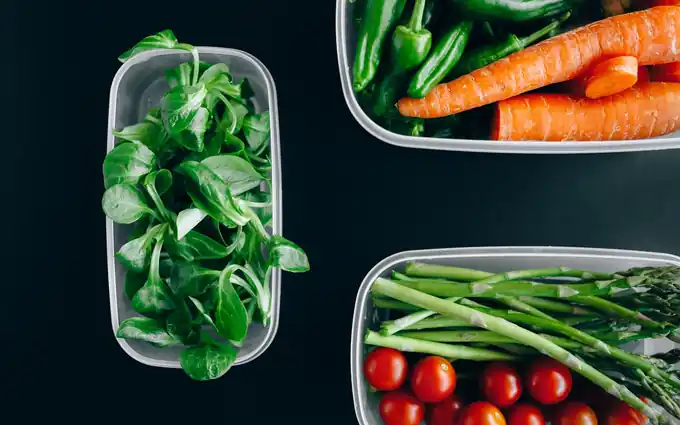
How to Stick to It at Restaurants and Gatherings
It is hard to eat home-cooked meals every day. You can keep the principles outside, too.
- At a barbecue restaurant, choose lean cuts like tenderloin, chicken breast, and shoulder over pork belly and galbi, and eat plenty of lettuce and perilla-leaf wraps.
- Eat stews and soups focusing on the solid ingredients and leave the broth behind. It's fine to cut your bowl of rice to half a bowl.
- At drinking gatherings, choose sashimi, boiled pork, tofu, and seasoned greens instead of fried food and jeon, and reduce the amount you drink. Alcohol directly raises triglycerides.
- For fast food and snack foods, avoid french fries, cream sauce, and ramen, and replace them with vegetable-containing menus like gimbap, bibimbap, or rice noodle soup.
Common Mistakes and Corrections
Getting ahead of yourself can backfire. Check the mistakes below.
- Just starving yourself — Skipping meals leads to overeating at the next meal and raises triglycerides further. Regular three meals are the basis.
- Excluding fat entirely — Cutting out even good fats like oily fish, nuts, and olive oil actually breaks the balance. Changing the type is the key.
- Fixating only on "cholesterol 0" labels — It is easy to miss that refined carbohydrates and sugars are what raise triglycerides. Look first at the quality of your rice, bread, and drinks.
- Short-term binge dieting — Rather than extreme cuts for a few days followed by rebounding, gradual changes you can maintain long-term are more favorable for improving your numbers.
Frequently Asked Questions (FAQ)
Q. Can I eat eggs?
The trend is not to restrict them as strictly as before, but each person's cholesterol response differs. Keep it to around one a day, and it is more important to reduce the saturated fat of the side dishes you eat with them.
Q. Can diet alone make my numbers normal?
Improving eating habits helps a lot, but depending on genetics, underlying conditions, and how high your numbers are, drug treatment may be needed. Don't assume the effect—confirm it with regular testing.
Q. How much exercise should I do alongside it?
Generally, consistently doing aerobic exercise like walking or cycling helps with triglyceride management and improving good cholesterol (HDL). Consider your own health condition before starting.
Q. Can I replace it with supplements?
No specific product can replace meals. Rather than deciding on your own, it is safe to decide on the use of supplements like omega-3 in consultation with your medical team or a dietitian.
This article is general health information and is not a substitute for medical diagnosis or treatment. If you suspect abnormal cholesterol levels or symptoms, be sure to consult a doctor or medical professional. Because an appropriate diet varies with your individual calorie needs and coexisting conditions such as diabetes and kidney disease, if needed, consult a dietitian and please also refer to information from official sources such as the Korea Disease Control and Prevention Agency's National Health Information Portal and the Korean Society of Lipid and Atherosclerosis.
All content is fact-checked under our editorial standards.