
5 Foods Good for Hyperlipidemia — Their Nutrients, How They Work, and How to Eat Them
Managing hyperlipidemia depends as much on your daily table as on medication. When LDL cholesterol and triglycerides in the blood rise, fat can build up on the artery walls and lead to atherosclerosis. No single food cures this, but which nutrients you eat regularly can clearly help with managing your numbers. This article lays out, in concrete detail, five representative foods that may help manage hyperlipidemia—their nutrients and how they work—along with how to actually eat them and what to watch out for.
5 Foods That Help With Hyperlipidemia
The food groups commonly emphasized across various studies and domestic and international nutrition guidelines fall broadly into five. The key is the direction of "reducing bad fats and increasing good fats and dietary fiber."
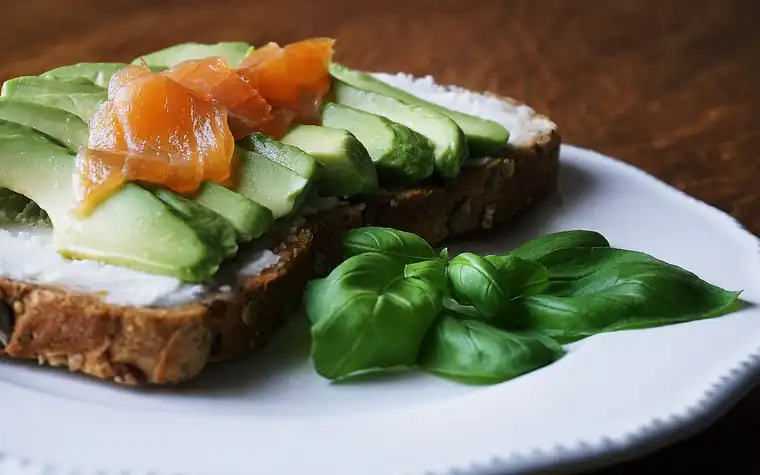
- Oily fish (mackerel, saury, salmon, sardines) — Rich in omega-3 fatty acids (EPA and DHA), they can help lower triglyceride levels. Omega-3 is known to reduce triglyceride synthesis in the liver and ease inflammatory reactions in the blood vessels.
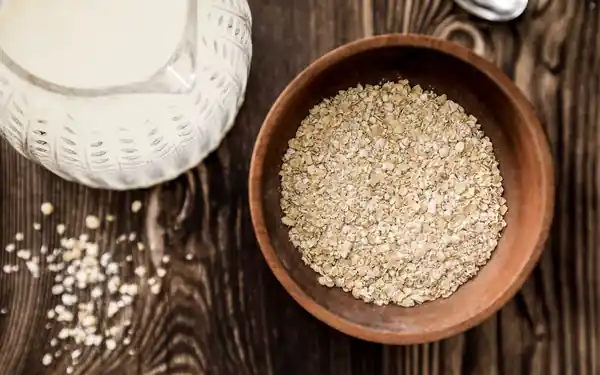
- Whole grains such as oats and barley — Beta-glucan, a soluble dietary fiber, binds with bile acids in the gut to increase cholesterol excretion and can contribute to lowering LDL cholesterol.
- Nuts (walnuts, almonds, peanuts) — They contain unsaturated fat, plant sterols, and dietary fiber together, making them a good source of healthy fats.
- Olive oil and avocado — Mainly composed of monounsaturated fat, they can help with cholesterol balance when used to replace saturated fat.
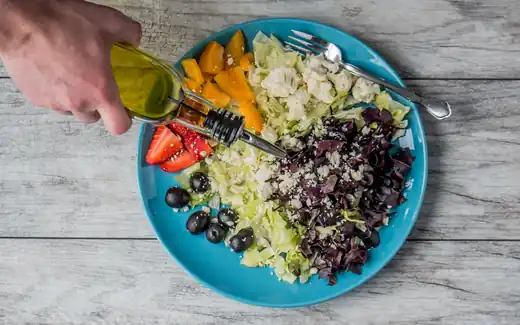
- Beans, tofu, and vegetables — Rich in plant protein, fiber, and antioxidants, they are a good alternative for reducing animal-fat intake.
What matters is the balance of eating these five evenly and consistently. Eating one food in large amounts will not dramatically lower your numbers.
What Soluble Dietary Fiber Does
Soluble dietary fiber, abundant in foods like oats, barley, beans, apples, and seaweeds such as sea mustard and kelp, dissolves in water and becomes a sticky gel. This gel interferes with the absorption of cholesterol and bile acids in the small intestine, and to remake the now-depleted bile acids, the body draws on cholesterol from the blood. As a result, it can work in the direction of lowering blood LDL cholesterol. Simply switching one morning meal from white rice or bread to oatmeal porridge or rice mixed with barley can increase your fiber intake. However, increasing it suddenly can cause bloating or gas, so it is best to increase it gradually while drinking plenty of water.
Good Fats vs. Bad Fats
In managing hyperlipidemia, "cutting out fat entirely" is not the right answer. The key is changing the type of fat. Saturated fat, abundant in pork belly, butter, and processed meats, and trans fat hidden in fried foods, snacks, and margarine can raise LDL cholesterol, so it is better to reduce them. On the other hand, the omega-3 in oily fish, the monounsaturated fat in olive oil and avocado, and the unsaturated fat in nuts belong to the good fats.
The practical tips are simple. Switch the oil you use for stir-frying or seasoning to olive oil, put fish on the table at least twice a week instead of red meat, and choose a handful of nuts for a snack instead of cookies. However, because nuts are high in calories, a handful a day (about 25–30 g) is appropriate, and roasted unsalted nuts are better than products coated with salt or sugar. Remember that even good fats can increase weight and triglycerides if you eat too much.
How to Actually Eat It — Daily Intake Tips
Concretely woven into a day's meals, it can be organized like this.
- Breakfast: Rice mixed with oats or barley, or oatmeal porridge, served with vegetable side dishes.
- Lunch and dinner: Two to three times a week, grill or braise fish such as mackerel or salmon. Grilling or steaming is more favorable for fat management than frying.
- Protein: Use tofu, beans, and eggs, and reduce the frequency of red meat and processed meat.
- Snacks: Replace them with a handful of unsalted nuts or fiber-rich snacks like apples or oats.
- Cooking oil: Use olive oil or perilla oil, and minimize frying.
When regular aerobic exercise, quitting smoking, and moderating alcohol are added to this, the effect of the diet grows. A diet must be maintained over months, not just a few days, to translate into changes in your numbers.
Foods and Cooking Tips Worth Adding
Besides the five above, there are foods worth adding as supplements. Seaweeds such as sea mustard, kelp, and hijiki are rich in soluble dietary fiber and low in calories, making them great as side dishes. Fermented soybean foods like cheonggukjang and doenjang also add plant protein and fiber. When cooking, changing just a few things magnifies the effect. Grill and steam rather than deep-fry, and when stir-frying, reduce the amount of oil and add a little water or broth. Cook soups and stews with less salt and leave the broth behind. Also, because reducing bad fats must go hand in hand with adding good foods, make an effort to lower the frequency of pork belly, fried foods, and processed meats. Rather than relying on one single food, the balance of the whole diet is the key.
Frequently Asked Questions (FAQ)
Q. Can I stop my medication if I just eat these foods?
No. Food is a supplementary means that can help with management, and you must not stop prescribed medication on your own. Always consult your doctor about adjusting medication.
Q. Can I take omega-3 as a supplement?
If eating fish is difficult you may consider it, but rather than recommending a specific product, getting it from food first is the basic approach. It is safe to consult your medical team before taking it.
Q. Should I avoid eggs (cholesterol)?
They are viewed less strictly than in the past. The recent view is that saturated and trans fats have a greater impact than dietary cholesterol, so you can eat them within a balanced range.
Q. How long until my numbers improve?
It varies greatly by individual, but generally consistent dietary changes over months are needed. Check the changes with regular blood tests.
Because accurate diagnosis, target numbers, and dietary adjustments vary with each person's health condition, it is best to refer to official materials from the Korea Disease Control and Prevention Agency's National Health Information Portal or the Korean Society of Lipid and Atherosclerosis and to seek guidance from an expert.
This article is general health information and is not a substitute for medical diagnosis or treatment. If you suspect abnormal cholesterol levels or symptoms, be sure to consult a doctor or medical professional.
All content is fact-checked under our editorial standards.