
Causes and Risk Factors of Hyperlipidemia — Starting With What You Can Control
Hyperlipidemia (dyslipidemia) is a condition in which the cholesterol or triglycerides in your blood rise above normal levels, and because it usually progresses without any clear symptoms, it is known as a "silent disease." Its causes fall broadly into two categories. One is lifestyle factors you can change—diet, exercise, weight, drinking, and smoking—and the other is factors that are hard to control on your own, such as genetics, age, sex, and coexisting illnesses. This article first explains the principles of why cholesterol and triglycerides accumulate in the body, then separates the controllable factors from the difficult ones. The goal is to help you check for yourself what might be causing your own case.
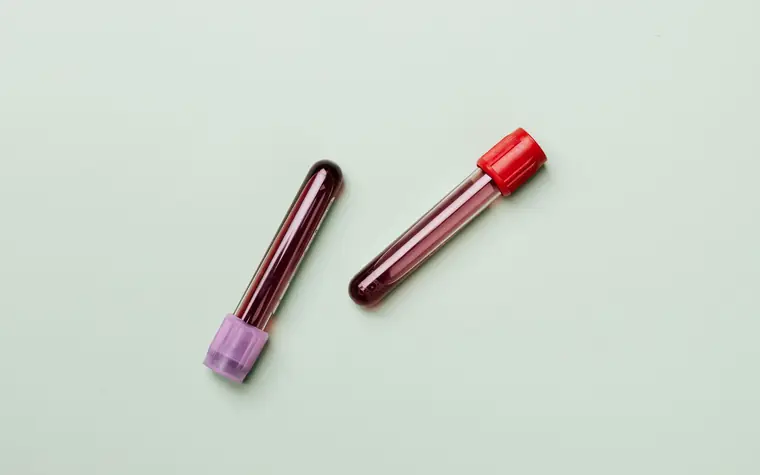
How Cholesterol and Triglycerides Build Up
Cholesterol is not a harmful substance; it is an essential component for building cell membranes, hormones, and bile acids. The problem arises when the "balance" breaks down. Most cholesterol is made in the liver and only a portion comes from food, so when fatty meals and overeating continue, the body strains its lipid metabolism trying to handle the surplus energy.
The key is lipoproteins. Because cholesterol does not dissolve in water, it travels through the blood combined with proteins in the form of "lipoproteins." Here, LDL (low-density lipoprotein) carries cholesterol throughout the body, and when there is too much of it, it accumulates inside the artery walls and becomes the seed of atherosclerosis. That is why LDL is commonly called "bad cholesterol." Conversely, HDL (high-density lipoprotein) returns leftover cholesterol from the blood vessels back to the liver for clean-up, so it is called "good cholesterol."
Triglycerides are another axis. Energy from the carbohydrates and fats we eat that is not used right away is stored as triglycerides, and when you consume a lot of refined carbohydrates, fructose, and alcohol, the liver produces excessive triglycerides. In the end, hyperlipidemia is easiest to understand as a state where imbalances overlap—too much LDL, too little HDL, or too high triglycerides.
Causes From Lifestyle — The Factors You Can Change
Fortunately, a considerable portion of dyslipidemia risk factors can be controlled. The representative ones are as follows.
- A diet centered on saturated and trans fats: The fat on pork belly and fatty meats, butter, fried foods, processed meats, and the trans fats in some processed foods are leading factors that raise LDL. Trans fat delivers a double blow by raising LDL while lowering HDL.
- Excess refined carbohydrates and fructose: White rice, flour-based foods, and sugary drinks and desserts push up triglycerides. In particular, drinks containing high-fructose corn syrup stimulate fat synthesis in the liver.
- Lack of exercise: When physical activity is low, HDL falls and triglycerides accumulate easily. Regular aerobic exercise works in the opposite direction.
- Overweight and abdominal obesity: Especially when visceral fat is high, insulin resistance develops, producing the classic pattern of rising triglycerides and falling HDL.
- Smoking: Cigarettes lower HDL and damage the inner lining of blood vessels, making it easier for lipids to accumulate.
- Heavy drinking: Alcohol is high in calories and increases triglyceride synthesis in the liver, so excessive drinking raises triglycerides in particular sharply.
These factors are intertwined. For example, when lack of exercise and a high-calorie diet go together, they lead to abdominal obesity, and abdominal obesity in turn worsens lipid metabolism through insulin resistance, creating a vicious cycle.

Causes You Cannot Change — Genetics, Illness, and More
Some people have high numbers even when they manage their lifestyle perfectly, because hard-to-control factors are at work.
- Genetics (familial hypercholesterolemia): If there is a defect in the genes that process LDL, cholesterol can appear very high from a young age. If you have a family history of a parent or sibling who experienced a heart attack or angina at a young age, it is wise to suspect a genetic factor and get tested.
- Age, sex, and menopause: Lipid levels tend to rise with age. Women are relatively low before menopause thanks to the protective effect of female hormones, but after menopause LDL tends to rise and HDL to fall.
- Secondary causes (coexisting illnesses): Diabetes, hypothyroidism, chronic kidney disease, and liver or biliary disease directly affect lipid metabolism. In these cases, lipid levels stabilize only when the underlying disease is managed together.
- Certain medications: Steroids, some diuretics, and certain hormone drugs can affect lipid levels. If you are taking any medication, do not stop it on your own—consult your medical team.
The important point is that having hard-to-control factors does not make management meaningless. Even with a genetic predisposition, lifestyle management clearly helps lower risk, and when necessary, treatment based on a doctor's judgment is added.
Start With What You Can Control
Sorting out the causes shows where to start. Take unchangeable factors like family history and age as a signal to "check more often because the risk is high," and realistically focus your actual actions on the controllable factors. The basic pillars are a diet that reduces saturated and trans fats and increases vegetables, whole grains, oily fish, and nuts; regular aerobic exercise a few times a week; quitting smoking and moderating alcohol; and managing abdominal obesity.
Above all, because hyperlipidemia has almost no symptoms, regular blood tests are the core of self-monitoring. Know your own LDL, HDL, and triglyceride numbers, and if several risk factors overlap, you should raise the intensity of your management.
Frequently Asked Questions (FAQ)
Q. If I'm thin, does hyperlipidemia not apply to me?
No. Even people with normal weight or a lean build can have high lipid levels due to genetic factors, diet, or coexisting illnesses. Rather than feeling reassured by outward body shape alone, it is more accurate to confirm through testing.

Q. Is it enough to just avoid foods that contain cholesterol?
The intake of saturated and trans fats, your overall dietary pattern, and the amount produced in the liver have a greater impact than the cholesterol that comes from food. Rather than avoiding one particular food, an approach that improves your whole diet is needed.
Q. Do triglycerides and cholesterol have the same causes?
There is some overlap, but they differ. LDL cholesterol is greatly affected by saturated and trans fats, while triglycerides are more closely tied to refined carbohydrates, fructose, drinking, and abdominal obesity. So the focus of management changes depending on which number is high.
Q. If I have a family history, do I absolutely have to take medication?
Family history is a factor that raises risk, but it does not immediately mean drug treatment. Whether to actually treat is judged by a medical professional taking into account the numbers, age, and other risk factors. Accurate diagnosis and testing come first.
This article is general health information and is not a substitute for medical diagnosis or treatment. If you suspect abnormal cholesterol levels or symptoms, be sure to consult a doctor or medical professional. For more accurate information, please refer to official sources such as the Korea Disease Control and Prevention Agency's National Health Information Portal and the Korean Society of Lipid and Atherosclerosis.
All content is fact-checked under our editorial standards.