
What to Know Before Choosing Supplements — How to Read Labels and Common Misconceptions
When choosing supplements at a pharmacy or online store, it is natural for your eye to be drawn to flashy slogans and big ingredient names. But the information you actually need to check sits in the small table on the back of the product. What to buy and what to pass on is decided not by advertising copy but by how you read the label. This article explains what each item on the label means, what to actually check when buying, and how to correct some common misconceptions.
What is a health functional food?
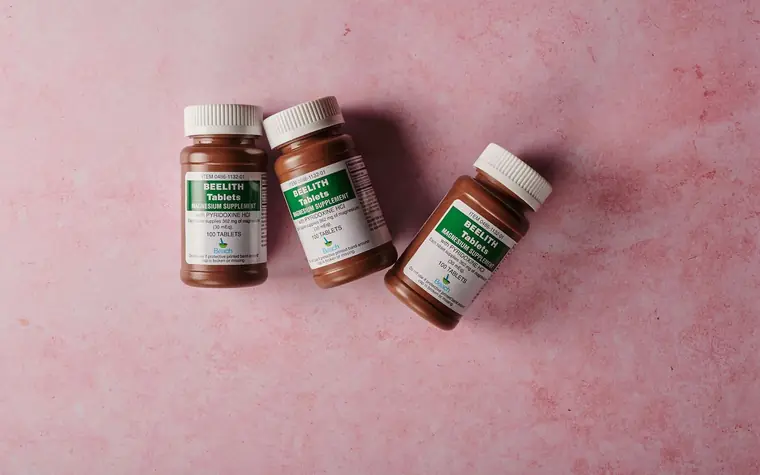
A health functional food is a food made from ingredients with functionality beneficial to the human body, and only products that have passed the standards and review set by the Ministry of Food and Drug Safety (MFDS) may bear this name. On the packaging you will find the phrase "health functional food" along with a certification design (mark); the presence of this mark means that the functionality and safety data for that ingredient have been reviewed against a certain standard. Conversely, ordinary processed foods or products merely labeled "health food" are not subject to this review, so even if they look like the same ingredient, their nature is different. Making it a habit to first check for this mark when buying is the basic starting point.
That said, "functionality has been recognized" is a different matter from "it is guaranteed to work for everyone." A functionality claim is a statement at the level of "this ingredient may help in this area," and how much you feel it can vary widely depending on your individual eating habits, health status, and the medications you take.
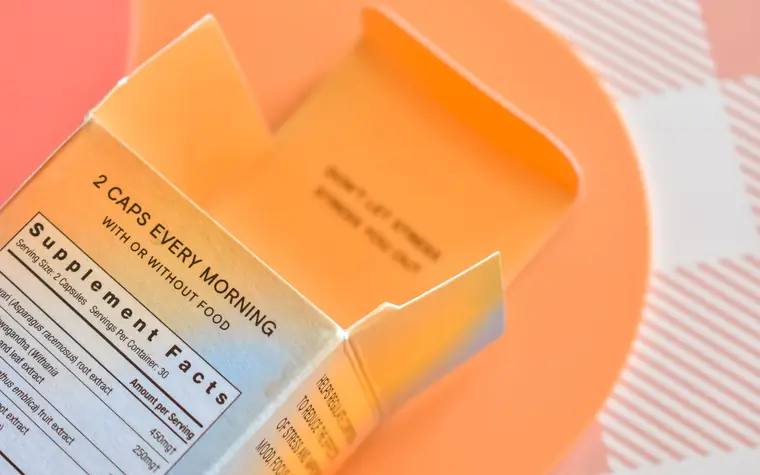
How to read the key items on the label
The items worth paying attention to on a label are set. In order, they are as follows.
- Functionality content: the sentence stating in which area this product has been recognized as potentially helpful. It is this item—not the advertising copy—that is the product's official purpose.
- Daily intake: the standard for how many tablets (or sachets) to take per day and when. Taking more does not make the effect proportionally greater, so keeping to this amount is important.
- % of the nutrient reference value: this shows what percentage of the daily reference value a given ingredient corresponds to. When taking several products together, adding up these numbers lets you gauge whether a particular ingredient is becoming excessive.
- Ingredient names and content: this is where what is actually in it, and how much, is written. Sometimes an ingredient emphasized in the product name is actually present in only a small amount, with other subsidiary ingredients making up most of it, so check the ingredients listed near the front.
Once you know the order in which things are listed, you will realize that this table on the back gives far more information than the large lettering on the front.
Food first, supplements as a backup
There is one perspective worth noting before you choose a supplement: a balanced diet comes first, and supplements are a supplementary means of filling in what is lacking. The nutrition you get from a variety of foods arrives with many components together and in naturally regulated amounts, but a supplement is a concentrated form of a particular ingredient, so it is safer to view it as "complementing your diet" rather than "replacing a meal." Once you roughly grasp what is lacking in your usual diet, choosing products in the direction of filling that gap can reduce unnecessary duplicate purchases.
So the question to ask yourself before buying is simple: "What am I lacking right now that makes this product necessary?" Rather than buying something just because it is a trendy ingredient or because people around you take it, it is better to look back over your own eating habits and lifestyle first and then set a purpose. When the purpose is clear, it becomes easier to compare the functionality content and amounts on the label, and you are less likely to pile up products with ingredients you do not even need. Conversely, if you increase the number of products for no clear purpose beyond "it's supposed to be good for you," costs rise and the risk of overlapping ingredients grows.
Points to watch when taking several products together
The part most easily overlooked is ingredient overlap. When you combine a multi-ingredient product, single-ingredient products, and functional drinks on top of that, you can end up consuming the same ingredient through multiple routes. This is where the % of the nutrient reference value we saw earlier is useful. Add up the percentages of the same ingredient across the products you take together, and check whether it greatly exceeds the daily reference. Some ingredients can accumulate in the body or become a burden if taken in excess, so it is best to let go of the idea that "more, more often, more products" is always better.
To summarize, check in the following order.
- Write the ingredient names of the products you currently take side by side and find the overlapping ingredients.
- Add up the % of the nutrient reference value of the overlapping ingredients to gauge whether it is excessive.
- Keep to each product's daily intake and do not increase the amount on your own.
Expiration, storage, and the fact that "it is not a medicine"
Supplements are also foods, so they have expiration dates and storage conditions. After opening, store them away from moisture and direct sunlight, following the method written on the label, and it is safer not to consume products past their date, however wasteful it may feel. Take care not to swallow the desiccant or drying agent inside the bottle, and keep it out of the reach of children.
Finally, there is one most important premise. A health functional food is not a medicine. It is not a drug that treats or prevents a specific disease; it is merely a supplementary food that aids some function of the body. Therefore, relying on supplements instead of medicine for the purpose of treatment is not advisable, and if you have a chronic illness or are taking medication, ingredients may overlap or have an effect, so consulting a professional is the proper order of things.
How to read the numbers on the label — % and cautions on fat-soluble vitamins
An easily overlooked number on a supplement label is the % of the nutrient reference value. This shows how much of the recommended daily amount this product fills. For example, if vitamin C is "100%," it means one tablet fills the daily reference—but if you are already getting it from other products or foods, the combined total can become excessive.
In particular, fat-soluble vitamins (A, D, E, K) have a tendency to accumulate in the body, so taking them in larger amounts for longer than needed can raise concerns about side effects, unlike water-soluble ones (vitamin C, the B group). That is why keeping to the daily intake on the label is important. When taking several products together, make it a habit to add up the % figures to check whether any ingredients overlap.
Frequently asked questions
Q. Is a more expensive supplement a better product?
Price does not directly guarantee quality. The cost varies depending on the form of the ingredient, its content, the makeup of subsidiary ingredients, and so on; what matters more is whether the ingredient you need is present in an appropriate amount. It is better to compare based on the functionality content and content on the label.
Q. Can I take more to see results faster?
This is not recommended. Taking more does not make the effect proportionally greater and can instead make a particular ingredient excessive. Keeping to the daily intake written on the product is the rule.
Q. What should I look at first on the label?
First check whether it has the "health functional food" mark and certification design, and whether the functionality content and ingredient names and content match your purpose. Then check the daily intake and the expiration date.
This article provides general health and dietary information and is not a substitute for medical diagnosis or treatment. A health functional food is not a medicine and does not have the effect of preventing or treating disease. If you have a chronic illness, are taking medication, or are pregnant or breastfeeding, consult a doctor or pharmacist before use, and please check product information at the Ministry of Food and Drug Safety (Food Safety Korea).
All content is fact-checked under our editorial standards.