
When the contract ends, so does the 25 per cent discount — re-enrolling and choosing 12 or 24 months
If your mobile bill quietly went up one month, the reason is usually the same one. The contract ended, and the 25 per cent discount ended with it. The carrier simply starts charging the undiscounted rate; nobody calls first to suggest signing again. Here is how re-enrolment works, how to choose the term, and how the early-termination charge is built.

The selective contract discount is taken instead of a handset subsidy
There are two options when buying a phone. Either take a subsidy that reduces the handset price, or take a selective contract that cuts the monthly service charge by 25 per cent. You cannot have both.
On a plan of 60,000 won a month that is 15,000 won every month, or 360,000 won over 24 months. If the handset subsidy is smaller than that, the selective contract wins. The discount scales with the plan, so the more expensive the plan, the more the balance tips towards the selective contract.
Nobody tells you the contract has expired
After 24 months the contract simply ends. It does not renew automatically. From that point you are on the same plan and the same handset, paying 25 per cent more every month.
People expect the bill to drop once the handset instalments finish, and because the instalment ending and the discount ending often overlap, the change is easy to miss. Checking whether the "service discount" or "selective contract" line has disappeared from the bill settles it immediately.
Look up the contract expiry date in the carrier's app or through customer service. Nothing is backdated for the months already passed, so the later you notice, the more it costs.
Unlocked and second-hand handsets qualify too
Many people believe the scheme applies only when buying a new phone. It does not.
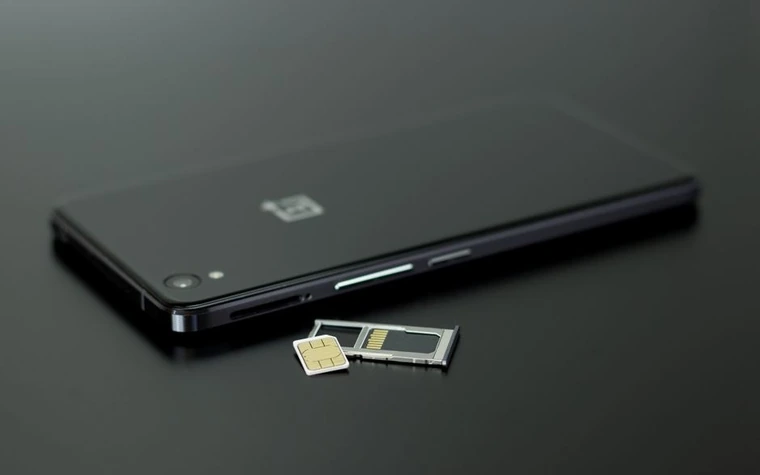
If the handset has no record of receiving a subsidy and is clear on the activation history check, an unlocked phone, a second-hand phone or a phone whose contract has expired can all be enrolled for the 25 per cent discount. If you have simply been putting a SIM into a handset you bought outright, you never applied, which means you have been paying full price all along.
Eligibility can be confirmed on the carrier's website by entering the handset serial number. A device that comes back ineligible has usually received a subsidy in the past, or is still inside that agreement.
What changed after the handset distribution act was repealed
The mobile device distribution act was repealed on 22 July 2025. The discount did not disappear with the statute. The service discount was moved into the telecommunications business act and remains in force.
What actually changed is on the subsidy side. Retailers could previously add no more than 15 per cent on top of the carrier's published subsidy, and that ceiling is gone. The obligation to publish subsidy amounts also ended, so carriers now disclose them voluntarily.
As a result the terms vary by shop. It is no longer "the same price everywhere", which means directly comparing the total subsidy against the total 25 per cent discount has become worth doing again. With more variables in play, though, the subsidy figure and any required add-on services in the contract need checking, or the numbers will not match later.
Twelve months and twenty-four months carry the same rate
The selective contract can be signed for 12 or 24 months. This is where the misunderstanding starts. A longer term does not mean a bigger discount. Both are 25 per cent.
What differs is exposure. Cancel partway or move to another carrier and part of the discount already received must be repaid, and the size of that discount repayment varies sharply with the term.
If there is any chance of changing handsets within a year, or a move to a budget carrier is on the table, signing 12 months twice is the safer route. The only cost is remembering to re-apply at expiry.

The repayment is weighted to the early months
The charge is not a matter of handing back every won of discount received. Each block of months carries its own repayment rate, and the blocks are added together.
Early on the full amount of the discount received is repayable; the rate falls as time passes; and in the final stretch it turns negative, reducing the total already accumulated. So cancelling early in the term costs the most, and the figure drops steeply as expiry approaches.
The rates for each block differ by carrier and by term. If cancellation or a plan change is under consideration, asking customer service for the projected repayment as of today is the accurate approach. Most apps show it as well.
Downgrading the plan needs care too. Moving below the level the contract assumed can trigger a settlement for the excess discount already received.
Three things to do now
First, look up the expiry date. If it has passed, the losses are accruing. Second, re-enrol, choosing 12 months unless you intend to keep the handset for years. Third, check the other lines in the household. Phones bought outright for parents or children are frequently running with no discount at all.
Applications can be made through the app, customer service or a shop. It takes a few minutes and appears on the next bill.
Another thing worth setting up in advance is the order of actions when a phone is lost. If identity misuse is a concern, see also how to check whether your data has been leaked.
All content is fact-checked under our editorial standards.