
Secondhand Smoke Between Floors: Where to Report It First -- The Multi-Family Housing Act's Clause and Why Gyeonggi Province Is Rewriting Its Rules
More residents are complaining that when they open a balcony window in the evening, cigarette smoke from a neighboring unit drifts in and forces them to shut it again. Unlike inter-floor noise, which can be measured with a decibel meter, secondhand smoke leaves people unsure where to even start complaining. Korea's Multi-Family Housing Management Act actually has a provision addressing secondhand smoke, and with complaints recently topping 30,000 a year, local governments have begun revising their rules. Here is what's worth knowing before you file a complaint.
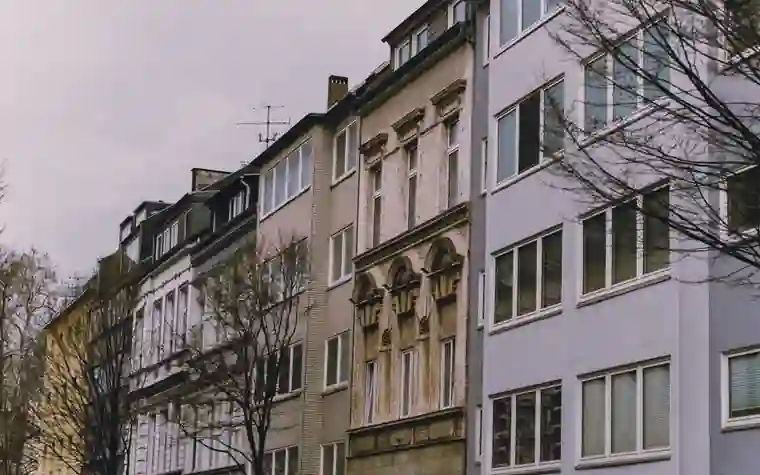
The Multi-Family Housing Management Act has a 'secondhand smoke prevention' clause
Article 20-2 of the Multi-Family Housing Management Act states that residents and occupants must make an effort not to harm other residents when smoking inside their unit, including on balconies or in bathrooms. A resident who suffers harm can notify the management office and request that it recommend the smoking resident stop. The management office may then carry out fact-finding, including checking with the unit in question if necessary, and the resident who receives the recommendation has a duty to cooperate with that inquiry and recommendation.
There's a structural reason secondhand smoke complaints are far more common in multi-family housing than in detached houses. Bathroom vents and balcony drainpipes are often connected between the floor above and below, so smoke from a downstairs unit can travel straight up through the vent into an upstairs bathroom or balcony. Because the smell gets in even with windows closed, the affected household often can't identify the source or block it on their own. This structural feature is exactly why individual effort has limits and why going through the management office for confirmation and mediation matters.
The management office can only recommend — it cannot punish
This is where a common misunderstanding comes in. The clause sets out a duty of effort and a recommendation procedure — it is not a penalty provision that bans smoking or imposes fines. The law cannot stop someone from smoking inside their own home. The most the management office can do is post notices, check with the unit, and issue a recommendation to stop; if the other party never cooperates, there is currently no way to force them to stop smoking. Knowing this limit up front reduces the disappointment that comes from a gap between expectations and the actual outcome.
Different from inter-floor noise — no measurement, no dedicated agency
Compare this with inter-floor noise, where the Korea Environment Corporation's Neighbor-to-Neighbor Center directly measures sound and cases can escalate all the way to the Environmental Dispute Mediation Committee. Secondhand smoke, being an odor, has no practical way to be objectively measured, and unlike noise there is no single nationwide agency offering consultation and measurement. As a result, the first response depends heavily on each individual management office's discretion and willingness to act.
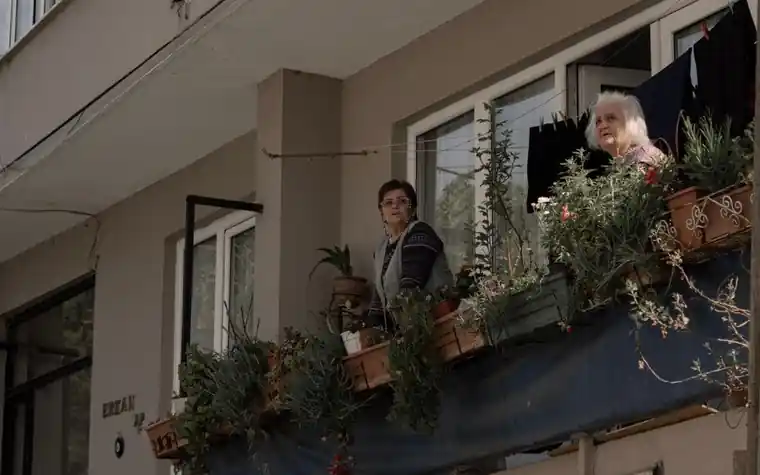
Complaints top 30,000 — why Gyeonggi Province is rewriting its guidelines
Secondhand smoke complaints filed with Gyeonggi Province rose from 17,409 in 2022 to 30,641 in 2025, crossing 30,000 for the first time. In response, the province is pushing to revise its 'Multi-Family Housing Management Regulation Guidelines,' gathering input from cities, counties, and housing-related organizations starting in October 2026, with a revised draft targeted by year-end. Under review are measures such as a standard investigation form for handling complaints, notices to an entire building or line when harm occurs, prevention notices, and designating smoke-free zones or separate smoking areas suited to each complex. Nothing is finalized yet, but the move reflects a growing sense at the local-government level that the current recommendation procedure alone isn't enough.
What to actually do — from the management office to the Anti-Corruption Petitions portal
Start by notifying the management office of the specific date, time, and situation. A verbal report leaves no record, so using text messages or the complaint log helps later on. Cooperate if the management office asks to check with the unit or visit in person, and if the problem continues even after a recommendation, you can file a complaint with your local government's multi-family housing department or the Anti-Corruption and Civil Rights Commission's Petitions portal. The portal is a nationwide government channel you can use as a separate route if the management office seems reluctant to act. As with the disclosure duty for management fees, a management body's failure to follow its own required procedure is itself grounds for a complaint.
If that still doesn't work — civil damages or an injunction
If the harm continues even after a management-office recommendation and a complaint, the last resort is a civil claim for damages or an injunction. This requires proving the harm and the causal link, and the process and cost involved are significant, so few cases actually reach litigation. If the harm is serious enough to consider a lawsuit, the right first step is to consult a lawyer or a legal aid organization such as the Korea Legal Aid Corporation to weigh your chances and the practical benefit. If the amount in question is small, a small-claims procedure can reduce the burden compared with a full lawsuit. As with defect-liability claims for apartments, how well you've documented your case in the end determines the outcome.
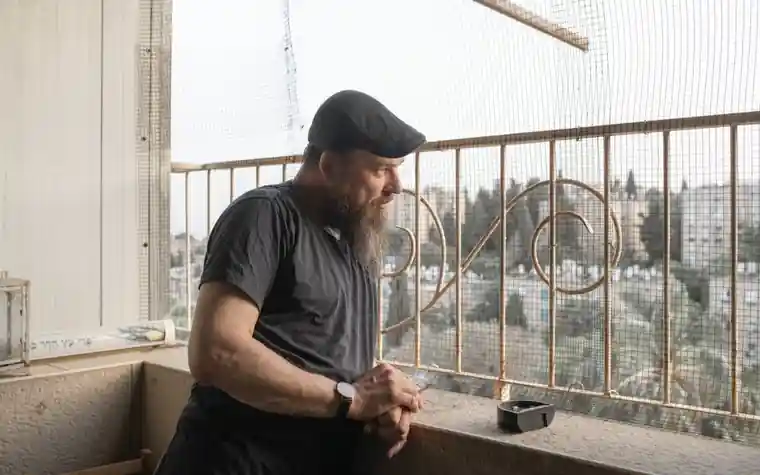
How to check your own building's guidelines
As with Gyeonggi Province, every province and city maintains its own 'Multi-Family Housing Management Regulation Guidelines,' and the actual rules applied come from how each apartment complex incorporates that guideline into its own management regulations. To find out whether your complex's regulations address secondhand smoke, or designate smoke-free zones or smoking areas, ask the management office or the residents' representative council for the actual text of the management regulations. It's also worth knowing that even when a local government revises its guideline, it doesn't automatically apply to your building — the residents' representative council has to vote to amend the complex's own regulations before it actually takes effect.
Step by step
① Keep a text or complaint-log record of the date and situation and notify the management office first. ② Cooperate if the management office asks to check with the unit or investigate. ③ If it continues after a recommendation, file with your local government's department or the Anti-Corruption Petitions portal. ④ Ask the management office whether the regulations address secondhand smoke or smoke-free zones. ⑤ If the harm is serious and ongoing, consult a lawyer to weigh a civil damages claim or injunction.
This article summarizes general procedures based on the Multi-Family Housing Management Act and local guidelines. The legal judgment on any individual dispute should be confirmed with the management office, the relevant local government department, or a legal professional.
All content is fact-checked under our editorial standards.