
Unpaid Wages: Starting October 8, an Employer Can't Always Buy Off Prosecution With a Settlement
When wages go unpaid, employers often say the same thing: "Just let this one slide, and I'll definitely pay next month." Until now, if a worker agreed and signed a statement saying they didn't want the employer prosecuted, the employer could avoid criminal punishment entirely — because wage theft has been what Korean law calls a semi-victim-complaint offense, meaning prosecution stops if the victim withdraws consent. Starting October 8, 2026, that shield no longer works for habitual, repeat offenders.

Until now — how "settle and no punishment" was possible
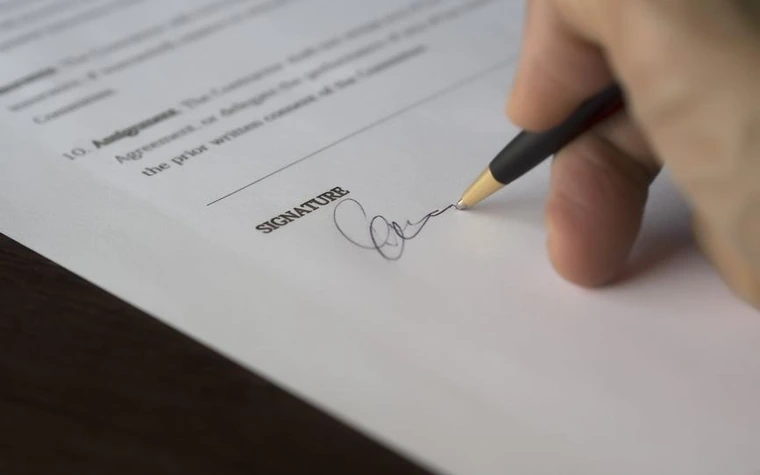
Wage theft carries a penalty of up to three years in prison or a fine up to 30 million won under Article 109 of Korea's Labor Standards Act. But this offense has operated as a semi-victim-complaint crime — if the worker states they don't want the employer punished, prosecution can't proceed. The problem is that this structure gave employers an incentive to hand over a small settlement and move on. For workers, signing that non-punishment statement was often the only realistic way to actually get paid what was owed.
From October 8 — up to 5 years in prison, a 50-million-won fine
The statutory penalty itself is rising to up to five years in prison or a fine of up to 50 million won. A higher ceiling gives prosecutors and courts grounds to treat these cases more seriously in sentencing. Employers with a pattern of repeated wage theft, in particular, should expect harsher consequences going forward.
Repeat violations during a public-disclosure period — a settlement won't stop prosecution
This is the part of the reform that changes the most in practice. If an employer already placed on the Ministry of Employment and Labor's public list of habitual wage-theft violators commits wage theft again while that listing is active, prosecution becomes possible even if the worker states they don't want punishment. Repeat offenders effectively lose the benefit of the semi-victim-complaint rule. For workers, this also removes some of the pressure to sign a non-punishment statement out of fear of not getting paid otherwise. The exception applies specifically to an employer already on the public list who offends again during that listing period — it doesn't apply to every case of unpaid wages.

Already in effect — the government-advance-payment cap already went up
Ahead of the penalty increase, the bankruptcy wage guarantee program changed first, on August 20. Under this program, the government advances unpaid wages when a company goes bankrupt or effectively shuts down. The coverage window expanded from the final three months of wages to the final six months, and the payout cap rose from 21 million won to 31.5 million won. If the criminal-penalty increase pressures employers, the expanded advance-payment program is what gets money into workers' hands faster and in larger amounts. Because the two changes took effect on different dates — August 20 and October 8 — anyone currently dealing with unpaid wages needs to check which date's rules actually apply to their situation.
Recovery from the employer is also getting tougher
When the government advances unpaid wages and then seeks to recover that money from the employer, the recovery process gained a new tool on May 12: national tax delinquency collection procedures, which carry more enforcement power than the standard civil process. Alongside this, joint liability for repayment now extends to the prime contractor in subcontracted work. In practice, if a subcontractor disappears after failing to pay wages, the prime contractor can end up sharing responsibility for the debt.
No written contract can even block the advance-payment application
Whether it's an advance-payment claim or a criminal complaint, the starting point is always proving the wages were actually owed and unpaid. Never having received a written employment contract makes it much easier for an employer's account of agreed pay and hours to diverge from the worker's. Keeping pay stubs, time records, and any texts or messages containing work instructions as a matter of habit is, in the end, the most practical protection in a wage-theft situation.
If you're dealing with unpaid wages right now — the order to follow
First, file a complaint through the Ministry of Employment and Labor's online labor portal or by calling 1350 to formally document the unpaid wages. If the business has gone bankrupt or is effectively shut down, checking the advance-payment application process at the same time is the right next step. If the employer pressures you to sign a non-punishment statement as part of a settlement, confirm you'll actually receive the full unpaid amount before signing anything. If the situation involves more than unpaid wages — such as workplace harassment — mentioning it together in the same complaint makes it easier for the investigation to cover everything at once.
Summary
Starting October 8, the statutory penalty for wage theft rises to up to five years in prison or a 50-million-won fine, and an employer already on the public violator list who offends again can be prosecuted regardless of the worker's wishes. The bankruptcy wage guarantee program already expanded on August 20 to the final six months of wages, capped at 31.5 million won, and national tax delinquency procedures were added to debt recovery on May 12. If wages are currently unpaid, the order of operations is to check what advance payment and relief options are available before signing any non-punishment statement.
This article is general guidance based on amendments to Korea's Labor Standards Act and Wage Claim Guarantee Act in effect as of August 2026. The exact application timing and procedure for a specific case should be confirmed with the local labor office or a certified labor attorney.
All content is fact-checked under our editorial standards.