
Why the summer electricity bill jumps — the progressive tariff and where to look first
The reason a summer electricity bill is a shock is usually the same one. Usage doubles and the bill rises by far more than double. The cause is the progressive household tariff. Understand the structure and you can see where the bill jumps.
Household and general tariffs are different
The same kilowatt hour is charged under different systems.
- Household — a progressive structure in which the unit price rises with usage. Cross into a higher band and usage above it carries a higher unit price
- General — applied to shops and offices, with no progression but a different standing charge structure
A household bill jumps because usage crosses a particular band and the unit price changes for the usage above it. The whole bill is not recalculated at the higher rate, but everything past the threshold is definitely dearer.
Where to look on the bill
- Usage in kWh — read this before the amount
- Against last month and the same month last year — most bills show both
- The meter reading date — check how many days the period covers. A longer period means more usage
- The standing charge — it varies with the usage band
- Climate and environment charge, fuel cost adjustment — these attach in proportion to usage
The utility's online branch and app show usage close to real time. Checking midway through is better than being surprised at month end.
In a month when you moved, read it alongside the maintenance fee settlement. The items involved are set out in the money you get back when you move out.
What actually makes the bill jump
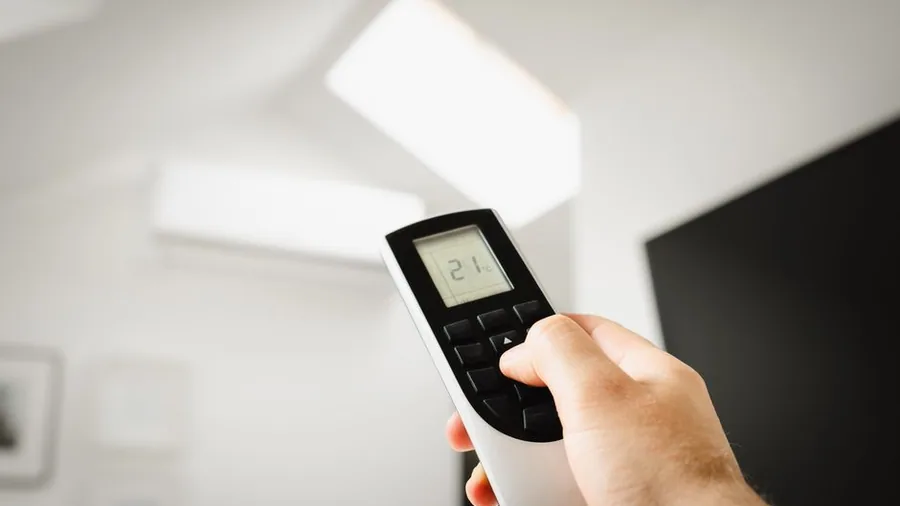
- Switching the air conditioner on and off repeatedly — an inverter unit draws little power once it holds the set temperature. Frequent restarts make it run hard every time
- Cases where cooling beats dehumidifying — waste arises from not distinguishing when humidity alone is the problem from when the temperature has to come down
- Not cleaning the filter — a blocked filter uses more power to reach the same temperature
- A packed fridge pushed against the wall — without heat dissipation it runs continuously
- Hot water use — in homes with an electric water heater this stays significant even in summer
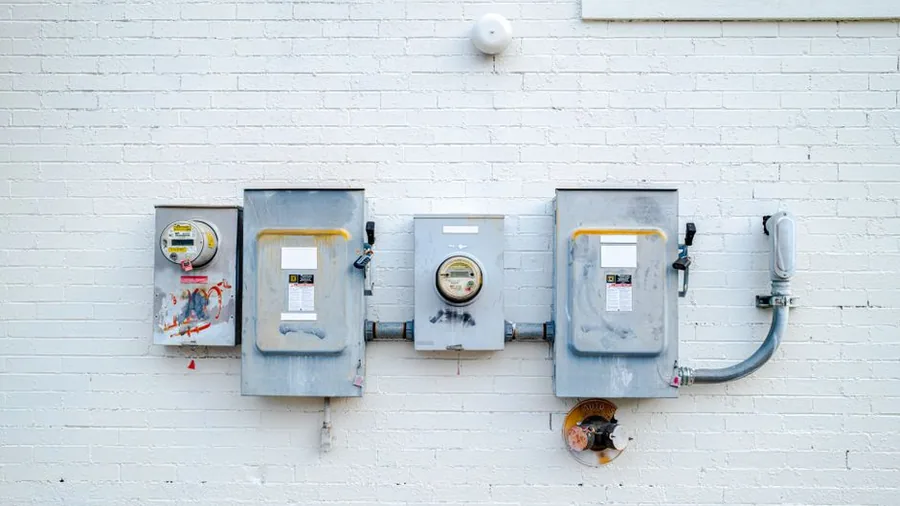
- Confusing communal and household electricity — in an apartment these appear as separate lines on the maintenance bill
The order that actually works
- Raise the set temperature by one or two degrees — the largest single effect. Use a fan alongside
- Leave it running rather than switching off. For a short trip out, not switching off is often better
- Clean the filter every two weeks
- Block sunlight with curtains or blinds — keeping heat out is cheaper than cooling it once it is in
- Standby power matters less than people think. The items above come before unplugging things
The order matters. Starting with the small things produces no noticeable effect for the effort.
Changing how you pay shaves a little off
- Direct debit or an emailed bill attracts a small discount
- Automatic card payment is possible, and whether it counts towards card spending targets varies by issuer
- Late payment attracts a surcharge. Late fees and surcharges are used interchangeably but are calculated differently, so check the guidance on the bill
- Payment methods can be changed through the utility's online branch, its app or its customer centre on 123
Discounts that are easily missed
Some apply only if you claim them.
- Large family discount — based on the number of household members
- Newborn household discount — for households with an infant
- Welfare discounts — basic livelihood security, near-poverty bracket, disability, national merit and similar
- Households using life-sustaining equipment
- Check schemes such as the energy voucher, which are applied for separately, at the same time
Quite a few eligible households miss out simply through not knowing. Ask the utility's customer centre whether your household qualifies. Unit prices and discount criteria are revised, so confirm the current position in the utility's official guidance.
In summary
- Household supply is progressive, so the impact is felt the moment a band is crossed
- Read the bill starting from usage and the meter reading period, not the amount
- For savings, the efficient order is set temperature → steady running → filter → blocking sunlight
- Discounts apply only if claimed
If you have decided to review your fixed costs generally, the saving habits that stop money leaking is a useful companion piece.
All content is fact-checked under our editorial standards.