
Ignition Interlock Conditional License: The First Eligible Drivers Appear This Month -- Two Detections in Five Years Means an Installation Period Equal to the Disqualification, Paid Entirely by You
Anyone whose license has been revoked twice or more for drunk driving will no longer be able to get an ordinary license back the moment the disqualification period ends. A conditional driver's license comes first, and it only lets you drive a vehicle fitted with an ignition interlock device that measures alcohol from your breath. The system was set up in 2024, but drivers who actually drive with the device are expected to appear from late this month, so this post separates what is settled from what is still open.
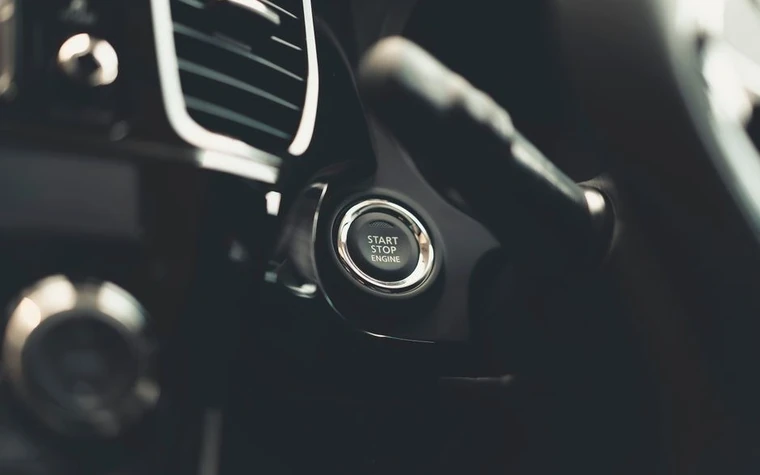
The system dates from 2024, so why is it only starting now?
According to press reports, the amended Road Traffic Act provisions took effect on October 25, 2024. The people covered are those whose licenses were revoked after two detections within five years, and they face a minimum disqualification period of two years. The first person to finish that period could appear only two years after the effective date, so the first eligible drivers are reported to emerge around October 24, 2026. Reports differ on whether it is the 24th or the 25th, so check the exact date in the National Police Agency's notices.
Who exactly is covered
The basis was reported as Article 80-2 of the Road Traffic Act. It applies when a person whose license was revoked after two or more drunk-driving detections within the last five years gets a license again. A driver caught once is not covered. The police agency reportedly estimates the number of such re-licensing applicants at 15,000 to 20,000 a year. You should first check how many times you were detected within five years and what the grounds for the revocation were.
The installation period equals the disqualification period and starts the next day
By the reported standard, the period you must keep the device is the same as the disqualification period that followed the revocation. If the disqualification is two years, the installation is two years, and a longer disqualification means a longer installation. It starts the day after the disqualification ends. For someone detected twice, that means two years with no driving at all and then two years when only a vehicle with the device can be driven.

You pay the full cost yourself, though the figures vary by source
The device and installation are not paid for by the state and are borne entirely by the person covered. Reports give the amount as about 3 million won, 2.5 to 3 million won, or 2 to 3 million won. A rental option meant to lower the up-front burden was reportedly proposed in a Korea Road Traffic Authority notice at around 100,000 won a month, but it was also pointed out that the list of certified manufacturers and the rental fee have not been finalized. Before signing anything, get the total price and the fee for each rental period in writing.
Installing it is not the end
Drivers covered must submit driving records every six months to the provincial police agency head and undergo regular inspections to confirm the device works. Reports say failing to do so carries a fine of up to 5 million won. To prevent tampering, a face-recognition camera and re-testing while driving are also said to be mandatory. This is separate from the vehicle's own periodic inspection; for how to calculate that deadline, see the post on vehicle inspection validity and late fines.
Breaking the rules carries heavy penalties
Driving a vehicle without the device after receiving a conditional license is punishable by up to one year in prison or a fine of up to 3 million won, and the license can be revoked again. Removing or tampering with the device so that it stops working is punishable by up to three years in prison or a fine of up to 30 million won. Reports agree that someone who blows into the device to start the engine for the driver is also subject to punishment, but the sentences differ between sources, so they are not stated here. Also note that the condition attached to you stays the same when you drive someone else's car or a rental, even if that car has no device.
The standard every driver should know, even if this system does not apply
Article 44 of the Road Traffic Act treats a blood alcohol concentration of 0.03 percent or higher as being under the influence. For 0.03 percent up to below 0.2 percent, the penalty is imprisonment of one to five years or a fine of 5 million to 20 million won. According to the National Police Agency, of 105,875 drunk-driving detections in 2025, 44.0% were repeat offenders, so the core of this system is that a second detection changes the very conditions for getting a license back. Fines and penalty lookups are covered in the post on checking vehicle fines and getting them reduced.
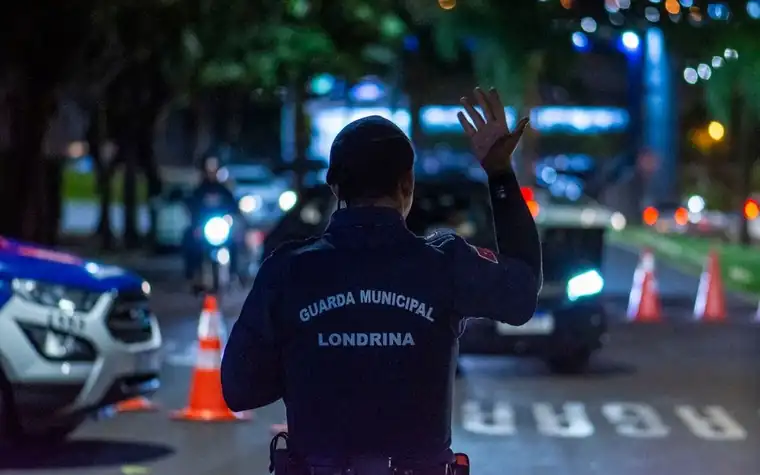
What is still undecided, and the order of steps
Since 2024 there have been reports of insufficient preparation for nationwide installation and calibration centers, an international standard for alcohol measurement, and a certification testing body; how far things are ready now should be checked in notices from the National Police Agency and the Korea Road Traffic Authority. Whether rental will be confirmed is likewise open. If you may be covered: (1) check your detection count within five years and your disqualification end date, (2) check the certified device list and installation locations with the Authority, (3) compare the total cost and rental terms in writing, and (4) mark the six-month driving-record submission dates on a calendar. For the rider structure of a policy you already hold, see the post on auto insurance riders, but ask your insurer separately how it relates to license conditions.
This post is general information compiled from press reports and statutes and does not replace legal advice; please confirm individual cases with the National Police Agency, the Korea Road Traffic Authority, or a lawyer.
All content is fact-checked under our editorial standards.