
Unpaid ER Bill in Korea? Check the Emergency Medical Expense Advance Payment System — Non-Payment Confirmation and Up to 48 Monthly Installments
Sometimes you get treated in an emergency room and then have no money to pay when it is time to leave. Emergency patients are not turned away for lack of money, and there is a system under which the state pays the emergency bill to the hospital first. It is called the emergency medical expense advance payment system. The key point is that it is not free aid but an advance you must repay later. This guide is based on Article 22 of the Emergency Medical Service Act and guidance from the Health Insurance Review and Assessment Service (HIRA), and covers who is eligible, how to apply, and how repayment works. For your own case, confirm with HIRA or another official channel; this guide does not replace legal or medical advice.
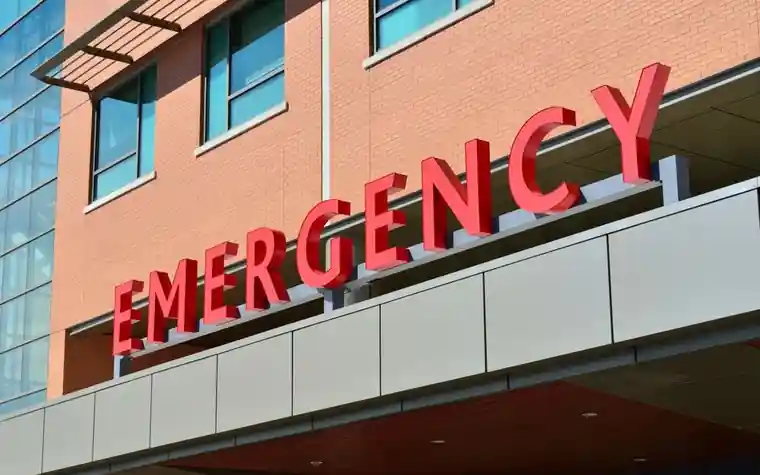
What the advance payment system is
Article 22 of the Emergency Medical Service Act says that when a medical institution or ambulance operator provides emergency care and does not get paid, it can ask the fund manager to pay in its place the part the patient was supposed to pay (the law calls this the unpaid amount). In practice HIRA handles it. The hospital, not the patient, files the claim, and the money the state pays the hospital first is later recovered from the patient and family.
Who applies and what you sign
This is not a system where the patient applies directly to HIRA. When you are discharged, you fill out an emergency treatment bill non-payment confirmation at the hospital's administration desk, and the hospital files the advance payment claim. The form contains a promise to repay later, so before signing, read who the repayer is and how much is owed. Ambulance transport charges can be claimed the same way. The hospital or ambulance operator obtains the repayer's signature and seal on the claim form, attaches documents such as a copy of the medical record and an itemized bill, and submits them to HIRA.
How much the state pays in advance
The covered range is the part of the emergency medical bill that the patient must pay. For insured care, the share the national health insurance covers is handled by insurance as usual, and the remaining copayment is what qualifies. There is official guidance that care for non-emergency conditions, such as simple intoxication that is hard to regard as an emergency, is not covered. The problem that using the ER lightly sharply raises your copayment rate is covered separately in the guide to the 90% copayment for minor ER visits.
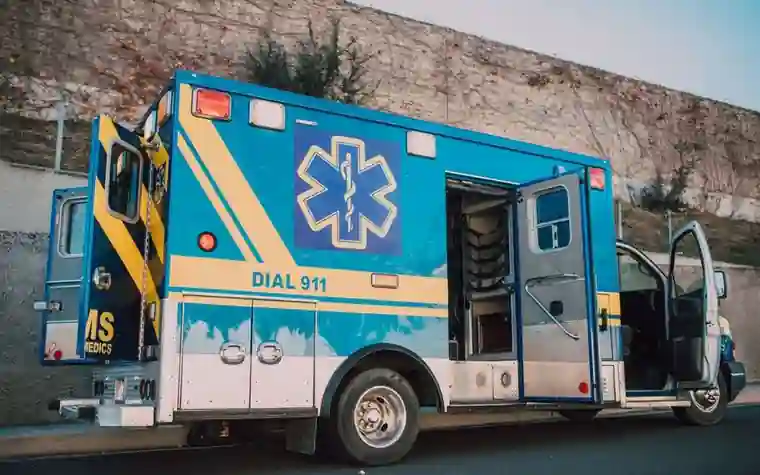
Who has to repay
The law allows the advance to be recovered from the emergency patient, the spouse, the patient's first-degree lineal relatives and their spouses, or anyone with a duty to bear medical costs under other laws. First-degree lineal relatives are parents and children. Family members often sign the confirmation on the patient's behalf, and putting your name on it can make you a repayer, so do not sign casually.
Repayment can be spread over up to 48 months
The repayer pays at a bank with the notice HIRA sends or into the designated account stated on it. If paying at once is hard, installments within 48 months are possible on request. Some older guidance materials say 12 months, so it is safer to confirm the current rule with the HIRA call center (1644-2000). If you ignore a demand and do not pay by the deadline, the fund manager can, with the approval of the Minister of Health and Welfare, collect under the procedure for national tax delinquency. Because installments are available, applying early is better than going silent.
The claim deadline and what people miss
The hospital's advance payment claim must be made within 3 years of the day treatment or transport ended. From the patient's side it is hard to know whether the hospital has filed, and some people are surprised when a HIRA notice arrives months later. At discharge, get a copy of the confirmation and note the date and hospital name. If another form of support can cover the cost, looking into that first is the way to reduce what you must repay.
Other programs to look at if you cannot repay
If low income makes an emergency bill hard to bear, there are other routes besides advance payment. The approach of supporting medical costs first and investigating later is explained in emergency welfare medical support. For large annual medical costs there is catastrophic medical expense support, which is based on health insurance premiums. If the copayments you have already paid passed a set level, you can apply for a copayment cap refund. For help choosing a program, you can call the Health and Welfare Counseling Center (129).
Order of steps
Step 1, get treated first at the ER. You do not need to delay care because of cost.
Step 2, ask about the advance payment system at the administration desk before discharge. Check the repayer and amount on the confirmation and get a copy.
Step 3, when the HIRA notice arrives, apply for installments. The maximum is 48 months, and details can be confirmed at 1644-2000.
Step 4, if money is tight, look into emergency welfare and catastrophic medical expense support too.
This guide is general information and does not replace legal or medical advice. Confirm amounts and conditions with HIRA and the National Law Information Center (law.go.kr).
All content is fact-checked under our editorial standards.