
Voice-Phishing Numbers Get Blocked Within 24 Hours of a Report — Why 112 and 118 Work Differently
Where you report a suspected voice-phishing call determines how fast that number actually gets shut down. If you are still on the call or just hung up, report to 112. If you noticed the suspicious number later from a text or a call log, report to 118. Both channels exist for the same purpose, but they process reports at different speeds and in different ways — and if you already sent money, that is a separate account freeze process from either of these.
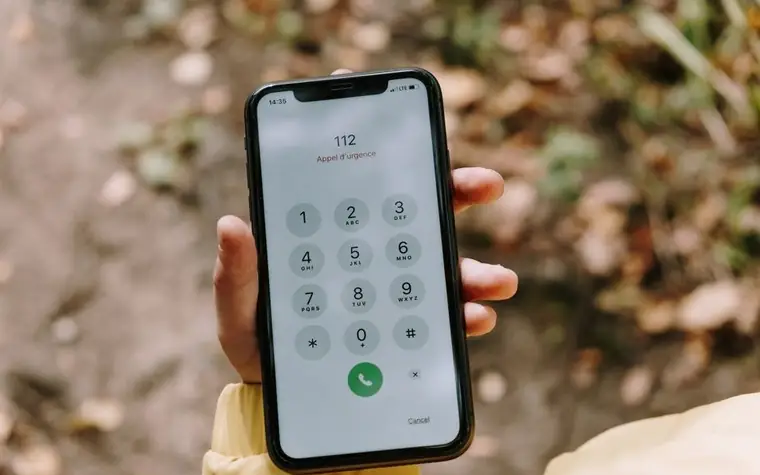
112 — During or right after the call, it can be blocked within 10 minutes
Since February 24 this year, the Korean National Police Agency has run an emergency-block system that cuts off a phone number used for voice phishing as soon as it is reported. The agency's integrated electronic-financial-fraud response unit linked its system with SK Telecom, KT, LG Uplus, and Samsung Electronics so that once a report comes in, the number is blocked the moment it tries to reconnect to the network. Police said the system was designed around the fact that roughly 75% of phishing crimes happen within 24 hours of the victim receiving the bait text or call. For an in-progress situation — mid-call or right after hanging up — 112 is the fastest route.
118 — If you found out later, this is the channel
If time has already passed and you noticed the suspicious number later from a call log or text, report it to 118, run by the Korea Internet & Security Agency. According to an August 28 report, the Central Radio Management Service built a new system to identify in real time which carrier a reported number is using, and linked it via API to the police's integrated analysis-response system, unifying the request channel for suspending service. As a result, a process that used to take 2-3 days now finishes within 24 hours. An 118 report also feeds into the Financial Supervisory Service's "voice tip" reporting page, so the report content is reflected in the number-suspension process as well.
The two channels handle different things
The 112 emergency block focuses on cutting off, at the network level, the number being used at that exact moment an incident is happening. The 118/Central Radio Management Service overhaul is about speeding up the administrative process — suspension under the Telecommunications Business Act — for numbers that have already accumulated reports. The former is real-time emergency response; the latter is after-the-fact report processing. They address the same problem at different points in time. Either way, the number's telecom service eventually gets suspended, but the time and steps involved differ depending on when you report it.

Reporting the number and freezing your account are separate
Even after a number is reported and blocked, money you already transferred does not come back on its own. If you sent money, you need to separately call the bank that handled the transfer and request an account freeze. If you requested the freeze by phone, you must visit the bank in person within 3 business days plus a following 14 days to submit a written damage-relief application, and missing that window lifts the freeze. If reporting the number is about preventing future victims, freezing the account is about stopping money that already left your account from being withdrawn — a separate step you have to take regardless of whether you reported the number.
What to have ready when you report
Whether you report to 112 or 118, having the other party's phone number, the time you received the call or text, and the carrier (if you were told) speeds up processing. Keep a screenshot of the text message, and for calls, save a screenshot of the caller ID that was displayed. If you already gave out personal or financial information, you should also start the process of requesting access to and deletion of that information wherever it is stored to reduce the risk of secondary damage.
If it is not just the number — your identity was stolen
If you suspect your resident registration number or identity was handed over during the phishing incident, reporting the number and freezing the account are not enough on their own. A leaked resident registration number can actually be changed through a review by the Change Deliberation Committee, so if the circumstances are clear, it is worth looking into that process too. The risk of identity misuse does not disappear just because you finished reporting and freezing the account.
Can you report on behalf of a family member?
Neither the 112 emergency block nor the 118 report has to be filed by the victim personally. If a parent or an older family member received a suspicious call and does not know how to respond, simply reporting the number to 112 or 118 on their behalf is enough to start the blocking process. An account freeze, however, is a measure on an account under someone's own name, so in principle the account holder or their legal guardian has to request it directly from the bank. Knowing which parts a family member can handle and which parts require the account holder to act personally helps you avoid confusion when it actually happens.

Putting it in order
First, if you are mid-call or just hung up, report to 112 immediately to trigger a block within 10 minutes. Second, if time has passed and you noticed the suspicious number later, report it to 118. Third, if you already sent money, separately request an account freeze from the receiving bank's call center and submit the written report within 3 business days plus 14 days. Fourth, if personal information or your identity may have been exposed, follow through with a data-deletion request and, if warranted, a resident registration number change. Processing timelines and procedures can change depending on the carrier, financial institution, and police guidance, so it is safer to confirm them again at the time you report.
All content is fact-checked under our editorial standards.