
Water Bill Suddenly Doubled? Check for a Leak First -- Hidden Pipe Leaks Can Be Reduced if You Apply Within 90 Days of the Bill, Using a 4-Month Average in Seoul and 3 Months in Seongnam and Paju
Nothing changed in how you live, yet the water bill came in at double or triple the usual amount. The first place to look is the plumbing inside your home. If water was leaking inside a wall or under the floor, it was counted as usage, but you do not necessarily have to pay all of it. Based on guidance from Seoul's Arisu water service and the Seongnam and Paju waterworks, this post goes through who qualifies for a leak reduction, the application deadline and how the amount is calculated.
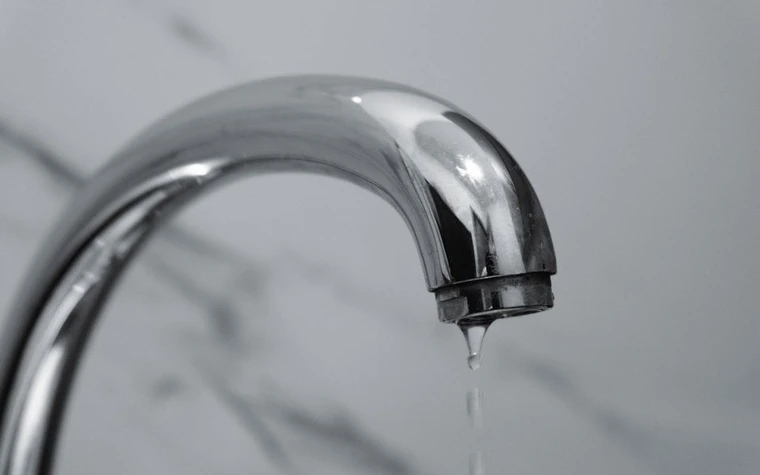
First, confirm it is a leak using the water meter
Shut every tap in the home and look at the meter. If the red star (rotation indicator) on the meter is still turning while no water is being used, water is leaking somewhere. Paju city's guidance describes the same check. Next, look at places you can see, such as the toilet tank, taps and washing machine hose, and if the cause is not visible there, suspect the pipes inside walls or under the floor. The distinction matters because, as explained below, reductions are limited to leaks in places that cannot be seen. If you cannot tell in one check, check again at another time, and ask the waterworks office how to proceed.
Reductions cover leaks in pipes that cannot be seen, such as underground or inside walls
Seongnam and Paju guidance says it reduces charges only for indoor pipe leaks in hard-to-find places such as underground or inside walls. Leaks in places you can check by eye, such as the toilet, water tank or boiler piping, are excluded. Seoul also excludes toilet leaks from the water charge reduction and guides applicants toward underground or in-wall leaks. A tap that was left dripping is something you can manage yourself, so it is safer to assume it will be hard to get reduced. Boiler piping is a common point of confusion: Seongnam excludes boiler pipes and other places that can be checked, so if heating pipe leakage raised your bill, ask whether it qualifies before applying.
You must apply within 90 days of receiving the bill
Seoul, Seongnam and Paju all give within 90 days of receiving the bill as the application deadline. If you find the leak late and put off the repair, it is easy to miss this. Even if the repair takes a few days, call the waterworks office in charge first to ask whether you qualify, and keep the repair receipt and photos with the work dates visible. You apply to the waterworks office that covers your address, and Seoul also offers online applications through the Arisu cyber customer center.
The reduction is calculated on the leaked volume after subtracting normal usage
The key point is that your usual consumption is the baseline, and anything above it is treated as leakage. Seoul's guidance calculates the leaked volume as the metered volume minus normal usage (the average of the previous four months), then reduces water charges and the water-use contribution by 50% of the leaked volume and sewage charges by 100%. Seongnam and Paju reduce 50% of the leaked volume after subtracting the average of the previous three months. Even for the same leak, the number of baseline months and the sewage treatment differ by local government, so be sure to check the rule for your address.
Here is a worked example based on an assumption. A household that normally uses 15 tons a month is metered at 45 tons because of a leak, so the leaked volume is 30 tons. Under the Seongnam and Paju method, the charge for 15 tons, which is 50% of those 30 tons, becomes eligible for reduction. The actual amount varies with local rate tables and tiers, so you can confirm the expected reduction at the waterworks office.
Repair costs are not reduced, and paperwork decides the outcome
What gets reduced is the water charge that rose because of the leak, not the repair bill. Seongnam's guidance also says construction costs cannot be reduced. Required documents differ a little by local government. Seoul requires an application form and a leak repair receipt, with before-and-after pipe photos as optional documents. Seongnam asks for photos before, during and after the work, a confirmation from the contractor, the work receipt and a copy of a bankbook, and Paju lists three repair photos, a work confirmation (receipt) and an application form. A receipt from the repair company that states the leak location, repair date and work performed makes good evidence, so ask for it at the quote stage. What they have in common is proving the repair happened, with dates, so ask the contractor for the receipt and confirmation and take photos before and after opening the pipe.
What tenants and apartment residents should do
In apartments and multi-unit housing, some buildings share one meter across the complex while others have a meter per unit, so the situation differs. If your unit has its own meter, check it as above; if the leak is in the shared piping, the management office has to handle the repair first. If you rent monthly, settle with the landlord who pays for the pipe repair, and check whether the name on the bill matches the person on the application. If water charges are mixed into your management fee, see the rules on apartment maintenance fee disclosure for how to check the line items.

Check whether other discounts overlap
Besides leak reductions, water charges have separate discounts for multi-child households, people with disabilities and others, each with different conditions and places to apply. A leak reduction works by taking out part of the usage, while household-based discounts cut the rate itself, so the two are different in nature. You can compare household-based discounts in the multi-child utility discounts post and welfare-based bill discounts in the energy voucher and electricity welfare discount post. Ask the waterworks office whether the two can apply at once.
What to do today, in order
If the bill has already arrived, time is the biggest variable. Ninety days passes faster than you expect, and if leak detection and repair slip, you end up collecting documents right before the deadline.
First, shut every tap and see whether the meter star is turning. Second, compare the usage on the latest bill with the previous months and write down how much it jumped. Third, have a repair company detect and fix the leak, and ask for the receipt, confirmation and before-and-after photos. Fourth, apply to the waterworks office in charge before 90 days from receiving the bill end. If you have already paid, ask when applying how the reduced amount will come back to you (a refund or a deduction from next month). This post is general information, and results may differ by local ordinance and individual circumstances. Please confirm the exact eligibility and documents with the waterworks office for your address.
All content is fact-checked under our editorial standards.